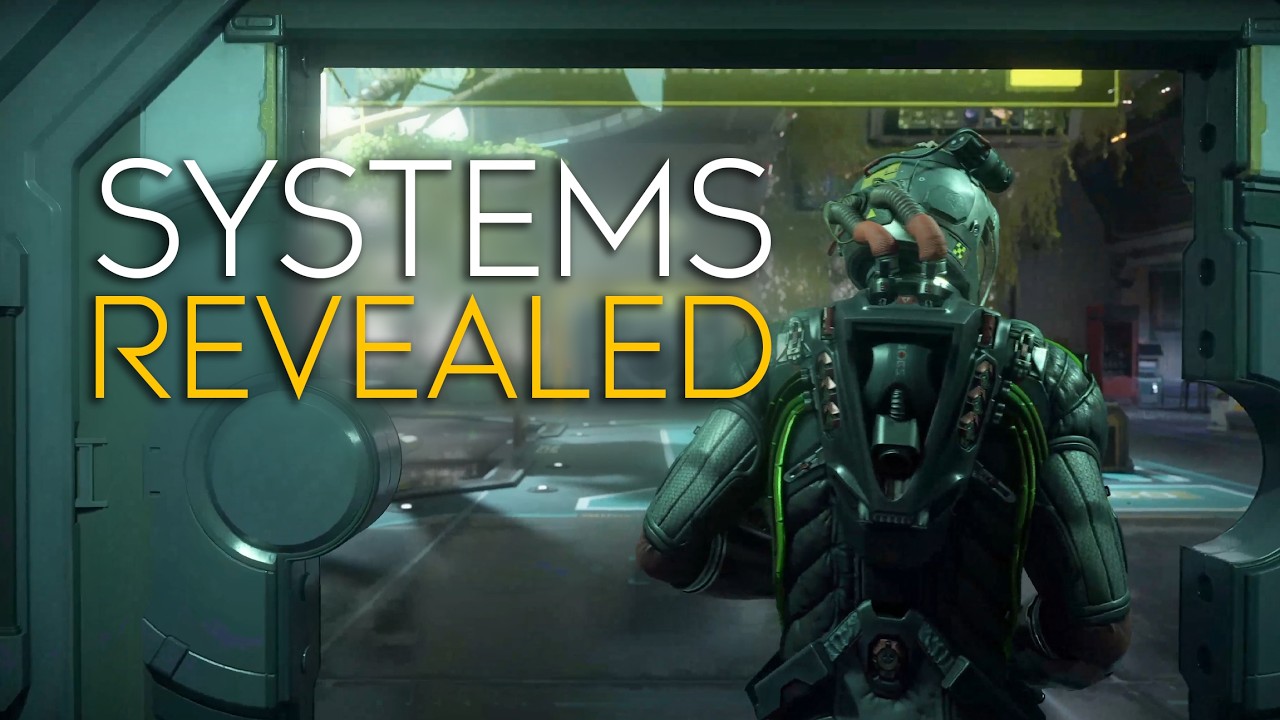
The Expanse: Osiris Reborn is a third-person cover-based RPG that attempts to bring the rich, realistic universe of The Expanse into a gaming experience. Unlike many sci-fi games that use their settings superficially, this game aims to embed the core aspects of The Expanse’s world, such as the hostility of space, societal stratification, and the significance of gravity and orientation. The initial impression might draw comparisons to Mass Effect due to its squad-based mechanics, dialogue choices, and RPG elements, but the deeper question is whether the game truly captures the essence of The Expanse or just borrows its aesthetic.
One promising feature is the RPG system, which allows players to choose their origin—Belter, Earther, or Martian—with these choices influencing social skills, dialogue options, exploration, and loot access. This approach goes beyond mere cosmetic differences, reflecting how identity shapes interactions and opportunities in The Expanse universe. This social dynamic is a crucial part of the setting, making the player’s background a meaningful gameplay element rather than just flavor text, distinguishing it from other RPGs that might treat character origin more superficially.
Combat in Osiris Reborn is a cover-based third-person shooter, but it incorporates tactical depth through gadgets, companion commands, destructible environments, and an active pause mechanic that slows time to allow strategic planning. This design choice addresses the challenges of representing zero-g combat realistically while maintaining engaging gameplay. Instead of full freedom of movement in zero gravity, players will rely on cover and tactical positioning, suggesting a blend of realism and playability that leans more towards a complex, party-driven tactical RPG than a straightforward action shooter.
The game also emphasizes companions and the ship as key gameplay elements. Players can bring two companions on missions while others remain on the ship, where they continue to contribute by advising or performing tasks. The ship itself serves as more than just a hub; it is a persistent space that players engage with, reflecting the importance of ships in The Expanse as homes and workplaces. While players won’t pilot the ship directly, the ongoing presence of the crew and ship activities adds depth and immersion to the experience.
Finally, the game’s approach to zero-g exploration involves using mag boots to keep players grounded, balancing realism with gameplay practicality. This compromise acknowledges the challenges of simulating true zero gravity without compromising fun or game design. The developers aim to capture the harsh realities of space while ensuring the game remains accessible and engaging. Overall, Osiris Reborn shows thoughtful adaptation of The Expanse’s setting, striving to deliver a game that feels authentically part of the universe rather than just visually resembling it. Fans can be cautiously optimistic that the game will respect the source material’s complexity and atmosphere.