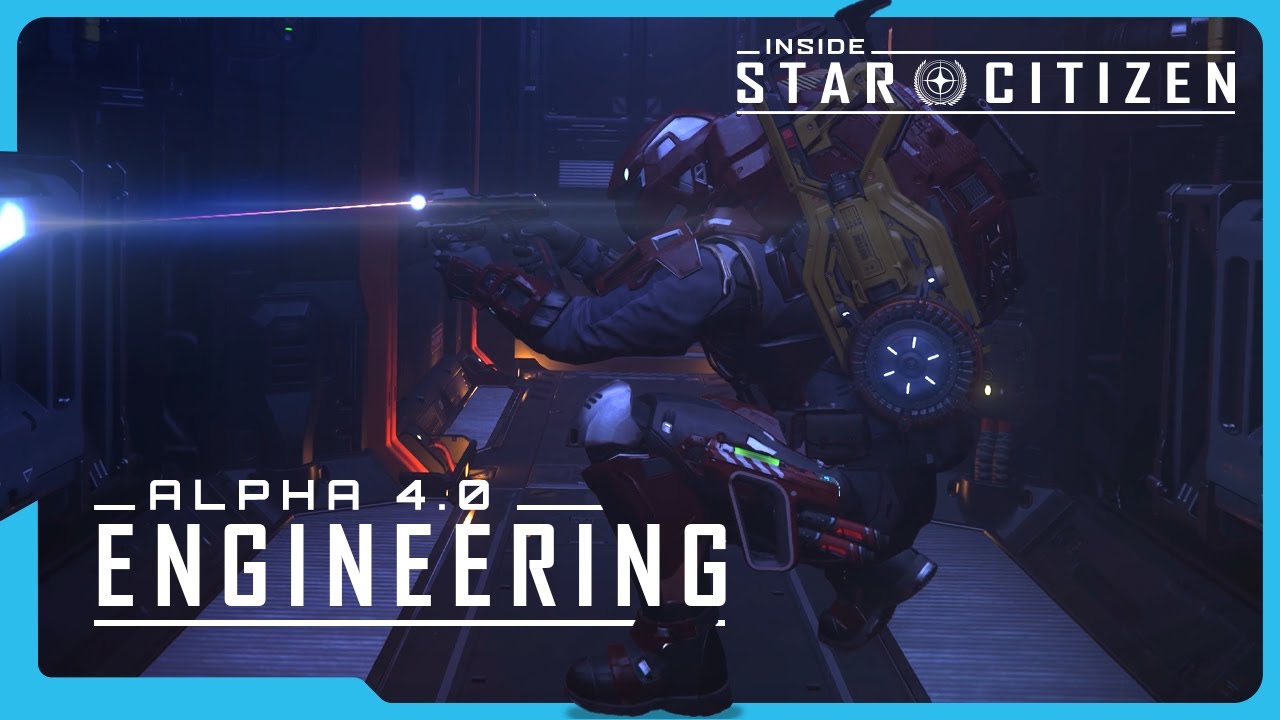
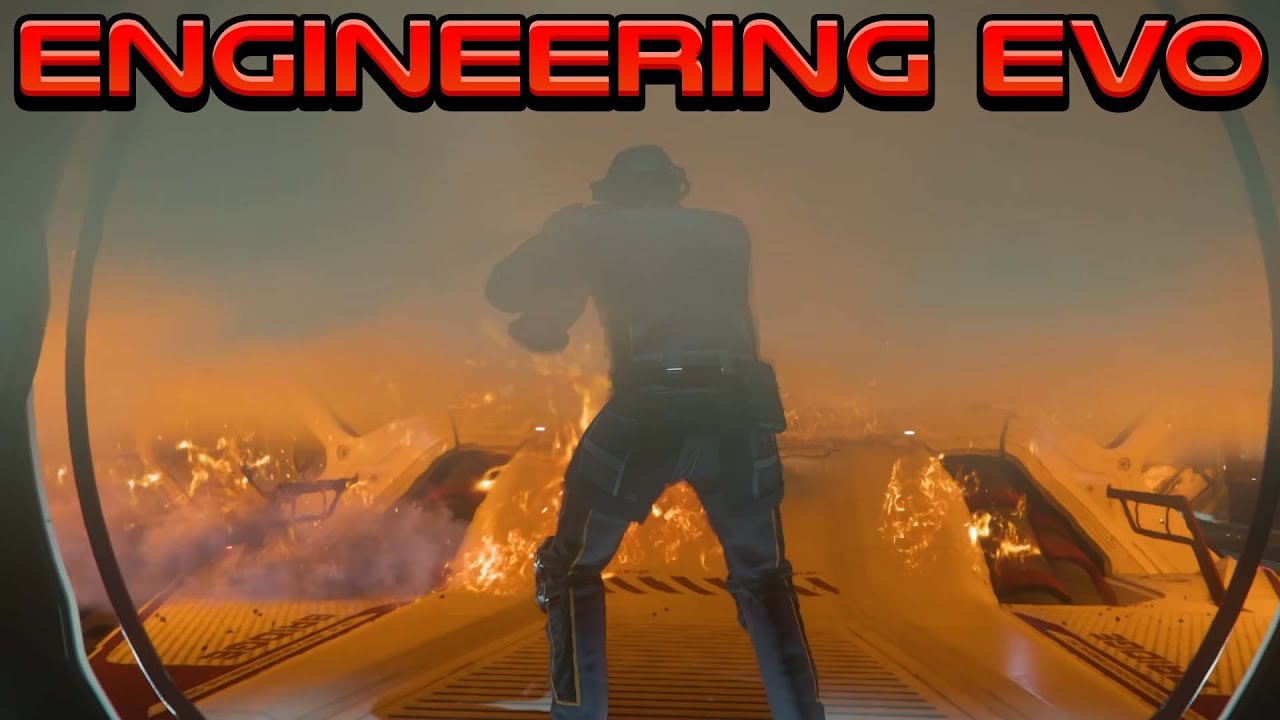
The video provides an in-depth discussion and personal experience report on the Star Citizen Alpha 4.0 engineering tech preview play test. The host expresses significant excitement about the engineering and crafting features, considering them crucial to changing gameplay in meaningful ways. However, the test itself revealed many bugs, issues, and incomplete features. The play test focused on engineering gameplay systems such as power management, heat and life support systems, fire mechanics, component damage, and repair. Despite the enthusiasm, the host notes that many ships and components were not included, limiting the scope of testing and making it difficult to fully evaluate the new systems.
A major part of the preview was the new resource network system, which replaces the older pipe system and aims to allow ship components to communicate and manage power more realistically. The engineering screen and power management interface were updated to allow players to control power distribution, manage heat generation, and create power presets. However, the UI was reported as difficult to read and not very user-friendly, with issues like lack of clear interaction prompts and confusing layouts. The power management system itself felt unbalanced, with players unable to fully power all components without overheating, leading to ships catching fire frequently, which was frustrating and detracted from the gameplay experience.
Fire and damage mechanics were a significant focus, with fires able to spread and be triggered by overheating or weapon damage, including both ballistic and energy weapons. However, the absence of armor and incomplete implementation of damage mitigation systems made combat feel overly punishing, as components would fail too quickly, often resulting in rapid ship destruction. The repair system allowed for partial repairs through a one-time-use button, but full repairs required returning to a station or swapping out components, which felt restrictive. Life support systems were introduced to manage breathable atmosphere and temperature in ship rooms, but many aspects like player breathing effects and proper venting were not fully functional, making the system feel unfinished.
Multi-crew gameplay, a key goal of the engineering system, was not fully realized in this test. Many larger ships like the Idris lacked engineering functionality, and turret systems were criticized for poor performance, making multi-crew combat less viable and enjoyable. The host and collaborators noted that without proper armor, balanced damage, and effective turret defenses, multi-crew ships were at a disadvantage compared to solo players. The overall impression was that while the engineering systems showed promise and represented a major step forward, they were still far from polished or balanced, requiring significant further development before they could fulfill their intended role in the game.
In conclusion, the engineering tech preview was a valuable but imperfect glimpse into Star Citizen’s future gameplay systems. The resource network and power management introduced important new mechanics but suffered from UI issues and balance problems. Fire, damage, and repair systems added depth but were hampered by missing armor and incomplete features. Life support and multi-crew interactions showed potential but were not yet fully implemented or functional. The host remains hopeful and supportive of continued testing and iteration, emphasizing that such play tests are essential for refining these complex systems, and expressing a willingness to participate in future tests to help improve the experience.