The video discusses the development and evolution of Squadron 42, focusing on the game’s ambitious AI systems and immersive crew interactions. Initially, the developers aimed to create a highly detailed simulation aboard the UEE Idris frigate, where every crew member had unique routines, personalities, and roles, ranging from marines and engineers to janitors and medical personnel. These AI characters were designed to behave realistically, following schedules, interacting with each other and the player, and contributing to a living, breathing ship environment. This approach was intended to deepen immersion by making players feel truly part of a functioning crew.
The AI system, known as subsumption, allowed for complex behaviors and storytelling, enabling characters to perform tasks, respond to changing situations, and even engage in social interactions based on their relationships with the player and other NPCs. For example, a marine might guard a post, train, or relax depending on the time and circumstances, while characters would greet or ignore the player based on their affinity. This level of detail aimed to create a persistent world where characters did not simply despawn but continued their lives throughout the game, enhancing the sense of realism.
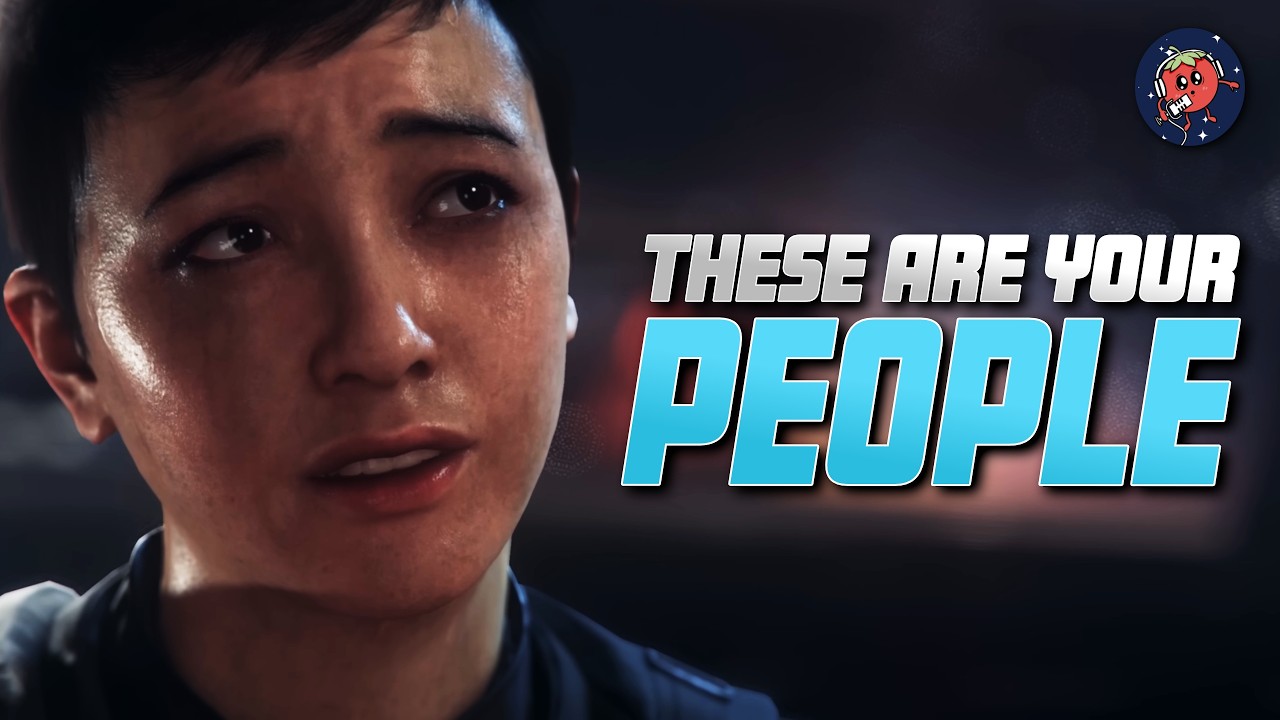
However, the video notes that around 2016-2017, the game’s design underwent a significant shift, including a major reset and redesign of Squadron 42. This likely affected the scale and complexity of the AI systems, possibly simplifying some aspects to focus more on cinematic presentation and narrative flow. The newer footage shows a higher graphical fidelity and more polished cinematic sequences, suggesting a move toward a more movie-like experience rather than the earlier, more simulation-heavy approach. This shift reflects a balance between maintaining immersion and delivering a compelling, story-driven game.
Despite these changes, the core idea of emphasizing crew dynamics and character interactions remains central to Squadron 42. The game continues to highlight the importance of working alongside a diverse and active crew, with detailed animations and behaviors that showcase everyday life aboard the ship. Medical staff, gunners, and other personnel are shown diligently performing their duties, reinforcing the game’s focus on teamwork and the social aspect of space missions. This approach aims to create a rich narrative experience where the player’s relationships with crew members matter.
In conclusion, Squadron 42 has evolved from an ambitious AI-driven simulation to a more cinematic and polished narrative experience while retaining its foundational emphasis on crew and character interactions. The development journey reflects both technical challenges and shifting design priorities, with the current state promising a visually impressive and emotionally engaging game. The video ends on a hopeful note, recognizing the long anticipation and expressing optimism that Squadron 42 will deliver a satisfying experience after years of hype.