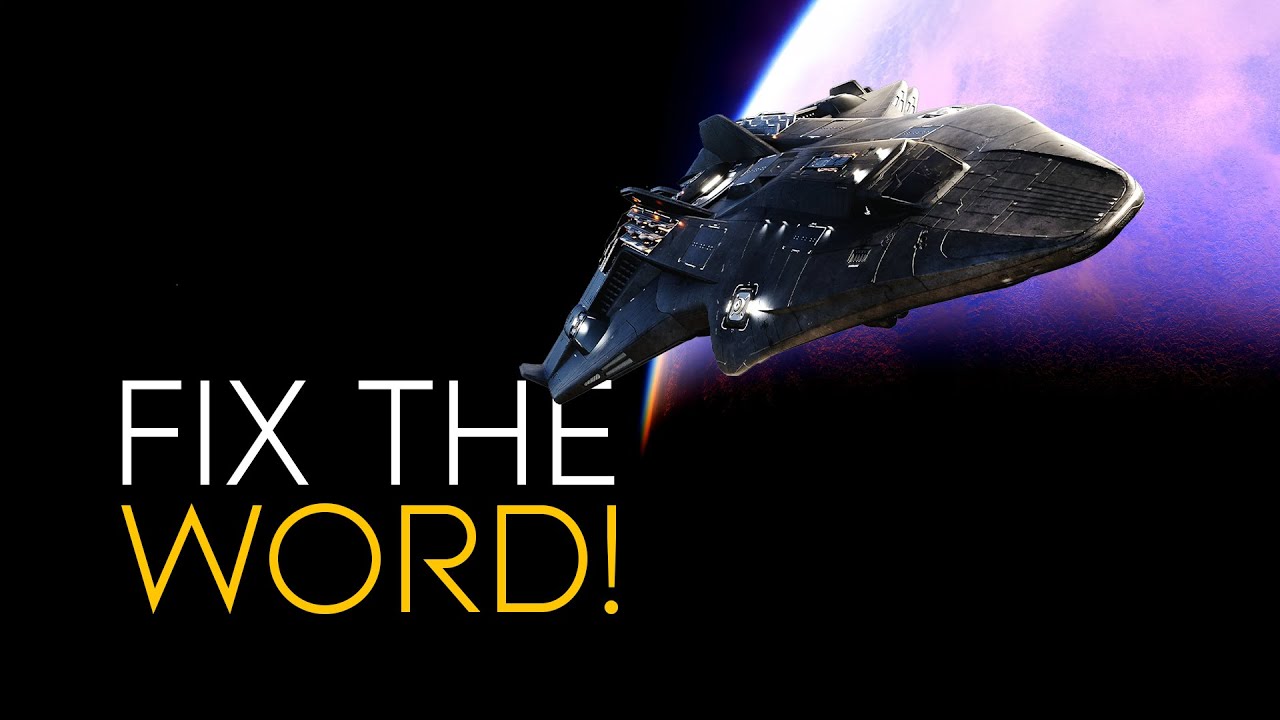
The video discusses a crucial issue that a potential Elite Dangerous 2 must address: the feeling of emptiness in space. This emptiness is perceived differently by two groups of players. For explorers, it represents perfection, isolation, and insignificance in the vastness of space, which they cherish. For others, it signifies a lack of meaningful interaction, dynamic gameplay, and consequences, leading to boredom. The conflict between these perspectives creates a fundamental design challenge that the sequel must resolve.
The common developer response to complaints about emptiness—adding more markers, points of interest, and interruptions—is criticized as the wrong approach. Such additions cause the galaxy to constantly “point at itself,” destroying the unique sensation of isolation that space games should evoke. The video emphasizes that this is not about shrinking the galaxy or sacrificing realism but about redefining emptiness from mere nothingness to a meaningful game mechanic centered on loneliness and isolation.
To solve this, the video proposes shifting the game’s core design axis to isolation, understood as a sliding scale of separation from civilization and help. This isolation is measured through four dynamic dials: contact (presence of other pilots or entities), readability (how understandable the environment is), rescue time (proximity to safety and aid), and cost of failure (consequences of mistakes). These dials can fluctuate independently of physical distance, creating a nuanced sense of isolation that impacts player decisions and gameplay.
The concept is further illustrated by applying these isolation dials to different gameplay scenarios like mining, piracy, and exploration. For instance, mining in industrial zones is busy and predictable with lower rewards, while mining in quiet, uncharted zones is risky but potentially more rewarding. Piracy varies from surgical strikes in busy systems to high-risk, high-reward hunts in ambiguous edges of space. Exploration shifts from safe and readable environments to chaotic, uncertain regions where the presence of others adds tension. These variations maintain the game’s identity while offering diverse experiences based on isolation profiles.
Ultimately, the video argues that by embracing isolation as the core mechanic, Elite Dangerous 2 could preserve the beloved aspects of the original game while resolving its contradictions. This approach would provide players with meaningful choices about their desired level of connectedness, uncertainty, and consequence, making the galaxy feel alive and reactive without becoming crowded or losing its unique sense of vastness. The video closes by inviting viewers to consider which isolation profile they would prefer, highlighting the importance of this concept for future development.