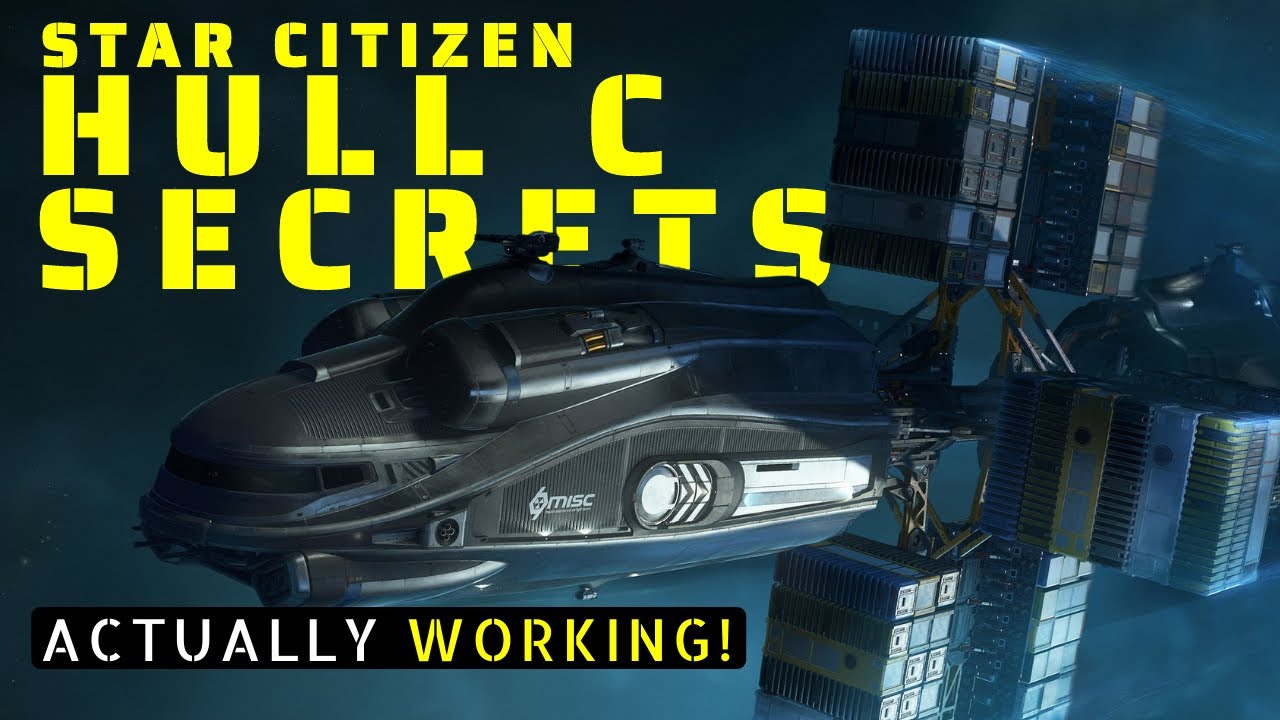
The recent update in Star Citizen 4.3.2 Live has brought mixed results for players attempting Whole Sea hauling missions, which involve automated cargo loading onto ships. While some pilots are celebrating substantial payouts of up to 667,000 credits per mission, others are frustrated as their expensive ships remain idle in loading zones. The community is split because the system isn’t universally fixed; success depends heavily on specific workarounds, ship positioning, and the server shard players connect to. This inconsistency has led to confusion about whether the feature is truly operational or still broken.
One key discovery is that the success rate of Whole Sea missions varies significantly by location. For example, Everest Harbor is reported to have near 100% loading success, whereas Terra Gateway remains problematic with frequent loading failures. This discrepancy is due to differences in how stations handle autoloading collision detection. Additionally, some players are on updated server shards with hotfix 10591185, which improves loading reliability, while others remain on older, broken versions. This shard-dependent patching explains why some players experience smooth operations while others do not.
A critical technical issue identified by the community is the “small box bug,” where small cargo containers incorrectly occupy more cargo space than they should, causing the autoloader to stall after placing three boxes. The workaround involves manually intervening by exiting the pilot seat, using the tractor beam to relocate small boxes to a single spindle, and then resuming loading. This manual step greatly increases the chance of completing missions successfully, with some players reporting success rates above 80% on compatible shards. Positioning techniques, such as entering the cargo zone slowly and aligning the ship precisely, also improve loading outcomes.
Experienced haulers have adapted to the system’s quirks by treating Whole Sea missions as a technical challenge rather than expecting seamless automation. They listen for audio cues like repetitive beeping, signaling that the autoloader is stuck, prompting manual cargo management. Many recommend focusing on routes starting from Everest Harbor to maximize success and even switching server regions to find better shards. Despite the frustration and manual effort required, the profit potential remains the highest in the game, making it a worthwhile pursuit for those willing to learn the intricacies.
The Star Citizen community has responded proactively, turning the subreddit into a collaborative troubleshooting hub where pilots share tips, success rates, and theories about the patch’s selective rollout. This collective problem-solving approach has helped players navigate the broken system and maximize profits. The video concludes with practical advice: start with smaller missions at reliable locations, master the manual loading techniques, and always be prepared to intervene during loading. Understanding these mechanics is crucial to turning Whole Sea hauling missions into a consistent money-making strategy despite ongoing bugs.