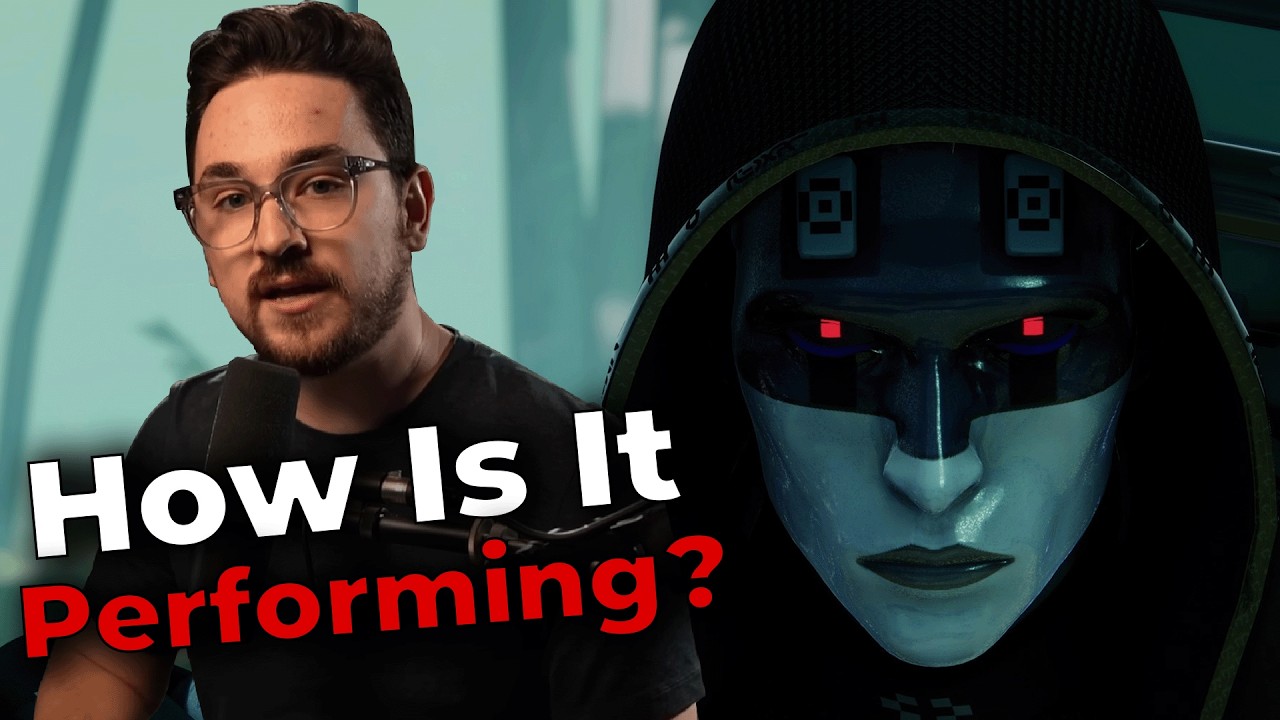
The video discusses the performance of the recently launched live service game Marathon, which has attracted considerable attention due to its mixed reception and financial results. Despite being a well-designed game with a dedicated fan base, Marathon has struggled to meet the high sales and player count expectations set by its parent companies, Bungie and Sony. Analytics reveal the game sold approximately 1.22 million copies across Steam, PS5, and Xbox, generating around $55 million in gross revenue. However, this figure falls short when compared to the estimated development and operational costs, which likely range between $200 to $300 million or more, raising concerns about its financial viability.
A significant portion of Marathon’s player base resides on Steam, accounting for roughly 70% of sales, while PlayStation and Xbox make up 19% and 11%, respectively. This distribution is notable given Marathon’s status as a first-party Sony title, highlighting the growing importance of cross-platform support for live service games, especially on PC where such games tend to thrive. The video contrasts Marathon’s performance with that of other extraction shooters like Arc Raiders, noting that Marathon’s complex UI and lack of cinematic, memorable moments may be limiting its appeal to more casual players, who have gravitated towards competitors with more accessible gameplay and exciting set pieces.
Player engagement data shows that while Marathon experienced a strong launch peak with nearly 478,000 daily active users, numbers have since declined to around 345,000, with an average playtime of nearly 28 hours on Steam. Hardcore players appear to be sticking with the game, but the challenge lies in retaining and growing a broader player base. The video highlights the classic live service dilemma: developers hesitate to invest in new content without sufficient player numbers, while players demand more content to stay engaged. This standoff threatens Marathon’s long-term sustainability unless the player count stabilizes at a profitable level.
Financially, Marathon is at a crossroads. Sony and Bungie face a tough decision about whether to continue investing in the game’s development and live service support or to cut losses and shift focus to other projects like Destiny 3. The video suggests that Sony’s recent history of studio closures and project cancellations due to underperformance adds pressure to Marathon’s future. While some hope for a turnaround similar to No Man’s Sky or Cyberpunk, Marathon’s already solid foundation and niche appeal make such a recovery less likely. The video also critiques Sony’s leadership, expressing skepticism about the strategic decisions behind Marathon and other live service projects, given the substantial investments and lack of blockbuster success.
In conclusion, the video presents a nuanced view of Marathon’s situation: it is a quality game with a dedicated niche audience but has not achieved the commercial success needed to justify its high costs. The ongoing challenge is whether Sony and Bungie can adapt the game to attract a wider player base or if Marathon will become a cautionary tale of ambition outpacing accessibility. The speaker expresses hope that Marathon can find its footing but remains cautious about its prospects, emphasizing that the next six months will be critical in determining whether it becomes a key live service title for Sony or fades into obscurity.