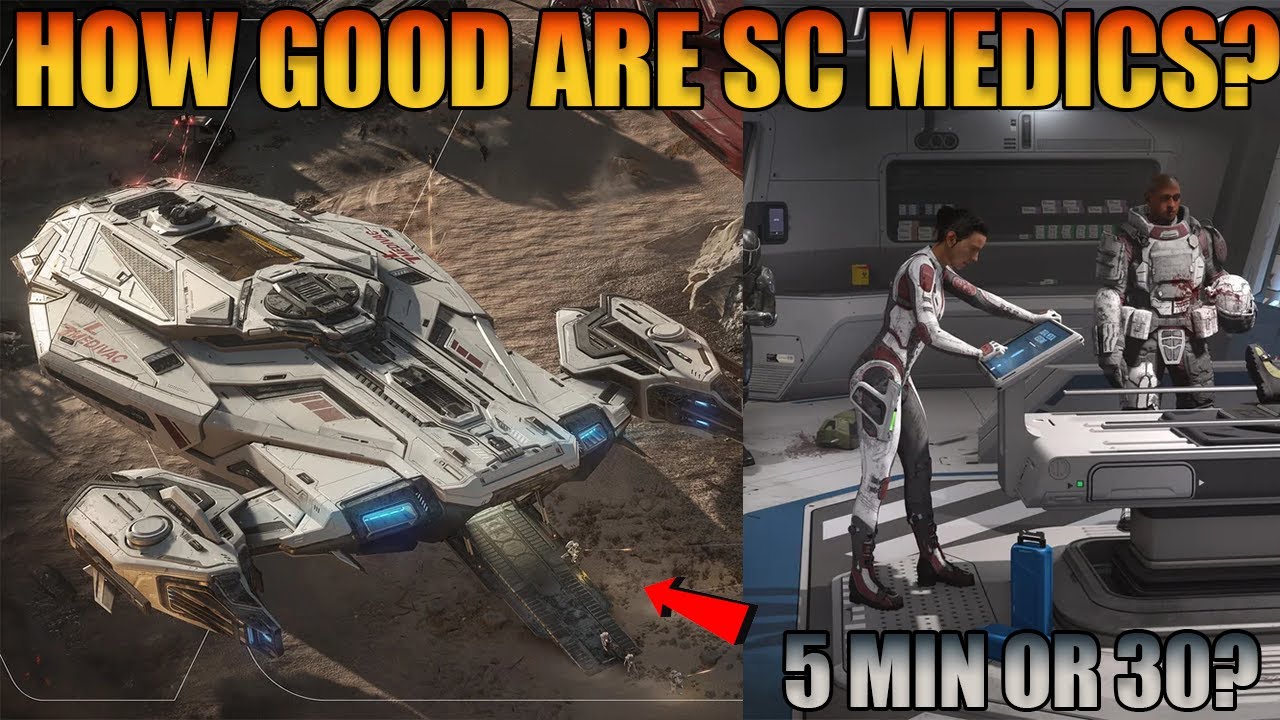
The video explores the viability and effectiveness of medical beacons and medic gameplay in Star Citizen patch 4.3.1, particularly after the release of the RSI Apollo medical ship. Medical beacons have returned with a higher payout of 50,000 credits, but several issues hinder their practicality. Notably, the beacon interface no longer updates with the name or distance of the medic who accepts the beacon, and notifications for medics are absent. This forces aspiring medics to constantly refresh contract lists or monitor global chat to spot beacon requests, making the gameplay cumbersome. Additionally, the controversial tier zero item recovery mechanic undermines the incentive to use medical beacons, as it reduces the penalty for dying.
The video also critiques the RSI Apollo as a medical ship, arguing that it is currently outclassed by smaller ships like the Pisces or Terrapin for rescue missions. The Apollo’s large size and high signature make it less effective for quick ground rescues since it must land and expose itself to danger. The lack of drones on the Apollo is highlighted as a missed opportunity, as drones would allow remote patient pickup without putting the medic at risk. The creator suggests that the Apollo was rushed for narrative reasons tied to the Regen Crisis event, leaving it less functional than it could be.
Testing response times for medical beacons reveals mixed results. Some rescues arrive quickly, within five to ten minutes, while others can take up to 15 minutes or more. The video demonstrates several attempts to activate beacons and get rescued, showing that response times vary based on location and player availability. Occasionally, medics arrive promptly and perform the rescue professionally, but there are also instances of delays and even hostile behavior from supposed rescuers, including one medic attempting to kill the player instead of helping.
The video also highlights the challenges faced by players requesting medical assistance in busy or dangerous areas, such as the Dupri region, where numerous players and AI enemies complicate rescue efforts. The narrator humorously compares the long wait times for medical help to watching a full episode of a TV show, emphasizing the frustration of waiting 20 to 30 minutes for a rescue. Despite some successful rescues, the overall experience is inconsistent and can be stressful, especially for casual players with limited playtime.
In conclusion, the video strongly suggests that medical beacons and medic gameplay in Star Citizen 4.3.1 are currently not worth pursuing seriously. The combination of interface shortcomings, slow or unreliable response times, and gameplay mechanics that reduce the need for medical rescues make the role of medic and the use of beacons ineffective and frustrating. While some players still engage with the system and manage to get rescued, the current state of medical gameplay is far from ideal and requires significant improvements to be truly viable and enjoyable.