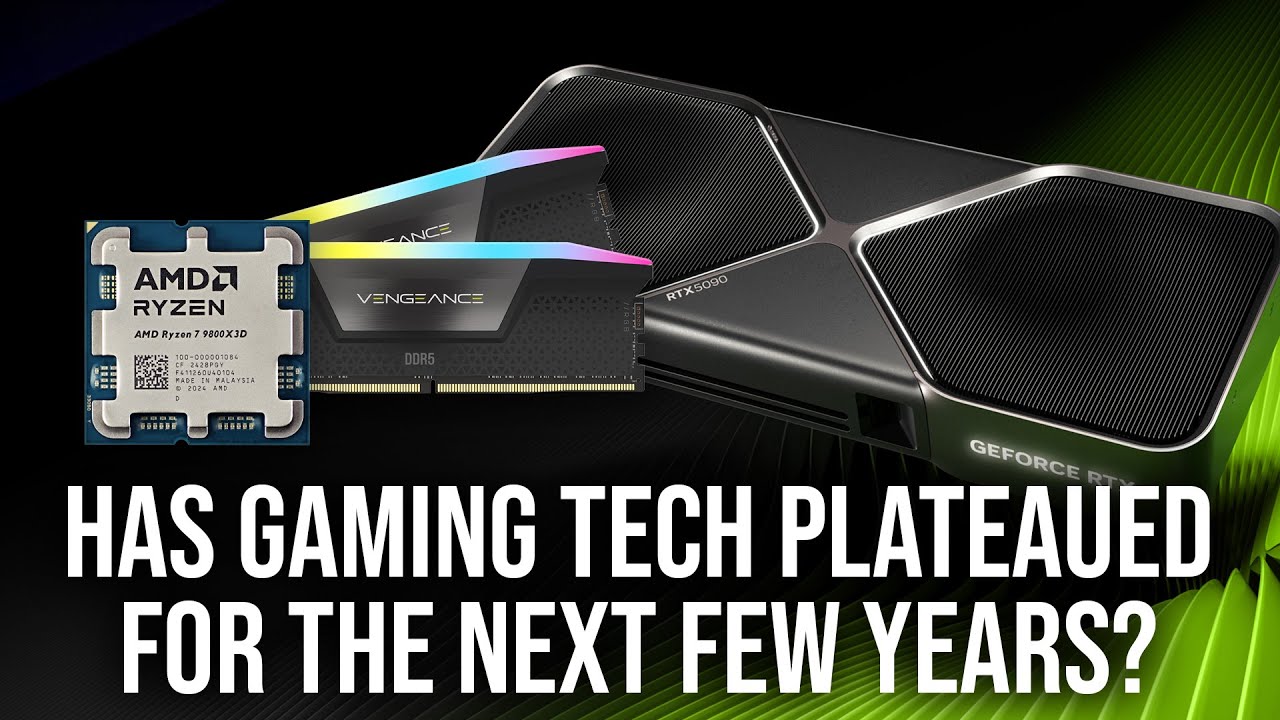
The discussion begins with concerns about a potential plateau in gaming technology performance, highlighted by rising RAM prices, rumors of Nvidia canceling its 50 series refresh, and a slowdown in new feature releases like DLSS improvements. The introduction of a new Steam machine with only 8GB of RAM further emphasizes the notion that hardware advancements may be slowing down. Linking this to game development, particularly CD Projekt Red’s Witcher series, the panel speculates that with a six-year development cycle and asset reuse planned across multiple games, titles like Witcher 4 and potentially Witcher 6 could span across multiple console generations, possibly extending well into the era of future consoles like the PS7.
The conversation then shifts to the idea of prolonged cross-generation game support, particularly with the upcoming PS6. It is suggested that games might need to be developed to run simultaneously on three generations—PS4, PS5, and PS6—due to the large install base and cost pressures. However, delays in next-generation console releases and hardware stagnation, driven by supply constraints like high RAM prices, could extend the lifespan of current and previous generation consoles. This situation might force developers and console makers to continue supporting older hardware longer than usual, impacting the pace at which new technology adoption occurs in gaming.
Regarding specific consoles, the panelists express skepticism about the longevity of the PS4, predicting it is nearing the end of its lifecycle and will likely not be supported much beyond the next generation. Conversely, the PS5 is expected to serve as a baseline platform for years to come, thanks to its solid CPU, GPU, and fast storage, which remains underutilized. The Xbox Series S and other lower-end consoles might struggle due to limited RAM and aging hardware, suggesting a gradual winding down of support. This continuing reliance on current-gen hardware might be a boon for budget-conscious gamers who can maintain older rigs or mid-range systems without feeling forced to upgrade immediately.
When discussing upcoming titles like Call of Duty and The Witcher 4, it is noted that Call of Duty is finally dropping last-generation support, marking a shift in development focus. The Witcher series, with its long development cycles and asset reuse strategy, is expected to remain cross-generation for several installments, anchoring future games to the capabilities of current consoles. This approach allows for scalability but also means that some technical limitations of older hardware may persist longer than usual. Popular live-service games like Fortnite or Final Fantasy 14 might continue supporting multiple generations simultaneously to accommodate a broad player base.
Finally, the discussion touches on the enduring value of the AM4 PC platform, particularly with the introduction of Ryzen X3D processors, which can deliver performance exceeding that of a PS5. This longevity and upgradeability make AM4 a strong choice for budget-conscious gamers who want to maintain competitive performance without frequent full system replacements. Despite some hardware limitations like lack of PCIe 4.0 support on older boards, the AM4 platform exemplifies sustainability and long-term value in PC gaming. Overall, the panel concludes that the current era may become one of the longest cross-generation periods in gaming history, with technological progress slowing and a greater emphasis on maximizing existing hardware capabilities.