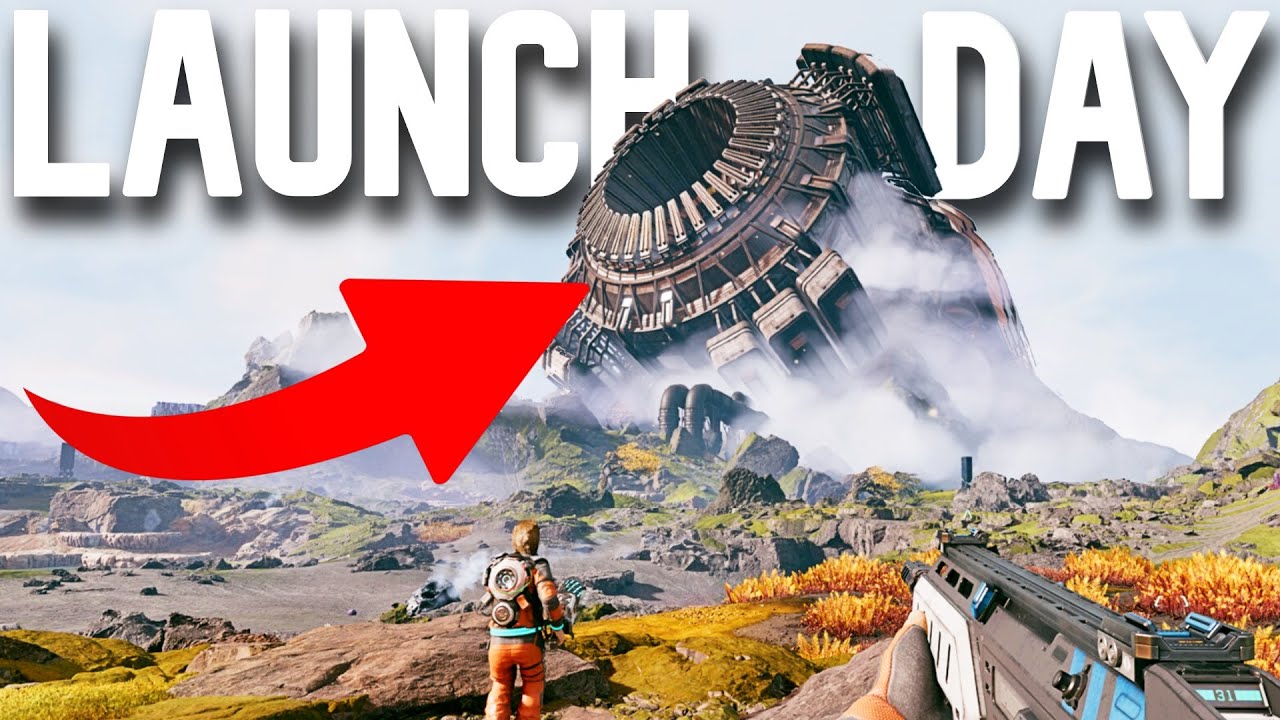
The video captures the launch day stream of Star Rupture, a new early access factory-building game with combat elements, reminiscent of Factorio and Satisfactory. The host enthusiastically introduces the game, highlighting its release on Steam for around $15 with a 20% discount. He shares his early experiences with the game, including his initial playtest in Warsaw in May 2025, and expresses excitement about the game’s potential, hoping for quality of life updates and a roadmap for future improvements. The game features beautiful environments, a large explorable map with radiation-locked areas, and a mix of factory management and alien combat, appealing to fans of factory-building and cooperative gameplay.
The stream focuses heavily on reorganizing and optimizing their sprawling factory base, which had become chaotic from multiple players building and experimenting. The host discusses the challenges of managing resources, building efficient production lines, and the lack of fast travel options, which makes traversing the map time-consuming. They explore the game’s mechanics such as smelters, furnaces, drone delivery systems, and cargo launchers, aiming to streamline production and shipping to space. The introduction of drones for transporting goods significantly improves logistics, reducing reliance on complex rail systems. The team also discusses the importance of aesthetics and organization in factory building, striving to make their base both functional and visually appealing.
Throughout the stream, the host and co-players collaborate on setting up new production lines, including making synthetic silicon and ceramics, and managing power supplies with wind turbines and solar panels. They delve into the game’s crafting complexity, unlocking advanced machinery like the mega press, which allows production of impellers, batteries, turbines, and other components essential for progressing in the game. The conversation touches on the need for better in-game labeling, recipe management, and quality of life features to handle the growing complexity. They also appreciate the game’s combat aspects, preparing for bug waves and planning to explore hostile bases to find blueprints and resources required for further technological advancement.
The multiplayer aspect is emphasized, with players coordinating tasks such as factory cleanup, resource management, and combat preparation. They joke about the game’s quirks and share lighthearted moments, including references to classic games, music, and humorous analogies. The stream includes discussions on game optimization, player hardware considerations, and the developers’ responsiveness to community feedback. The players plan future sessions to fortify bases, engage in boss battles, and continue exploring and expanding their factories. The host also mentions upcoming content and other games on the channel, maintaining engagement with the audience.
In conclusion, the launch day stream of Star Rupture showcases a promising early access game that blends factory building, resource management, and combat in a cooperative multiplayer setting. The players demonstrate deep engagement with the game’s systems, tackling challenges of logistics, base organization, and progression. While acknowledging some current limitations and bugs, they express optimism about ongoing development and future updates. The stream balances detailed gameplay insights with entertaining commentary, making it appealing to fans of the genre and viewers interested in new multiplayer experiences. The session ends with plans for continued play and community interaction, highlighting the game’s potential as a long-term cooperative project.