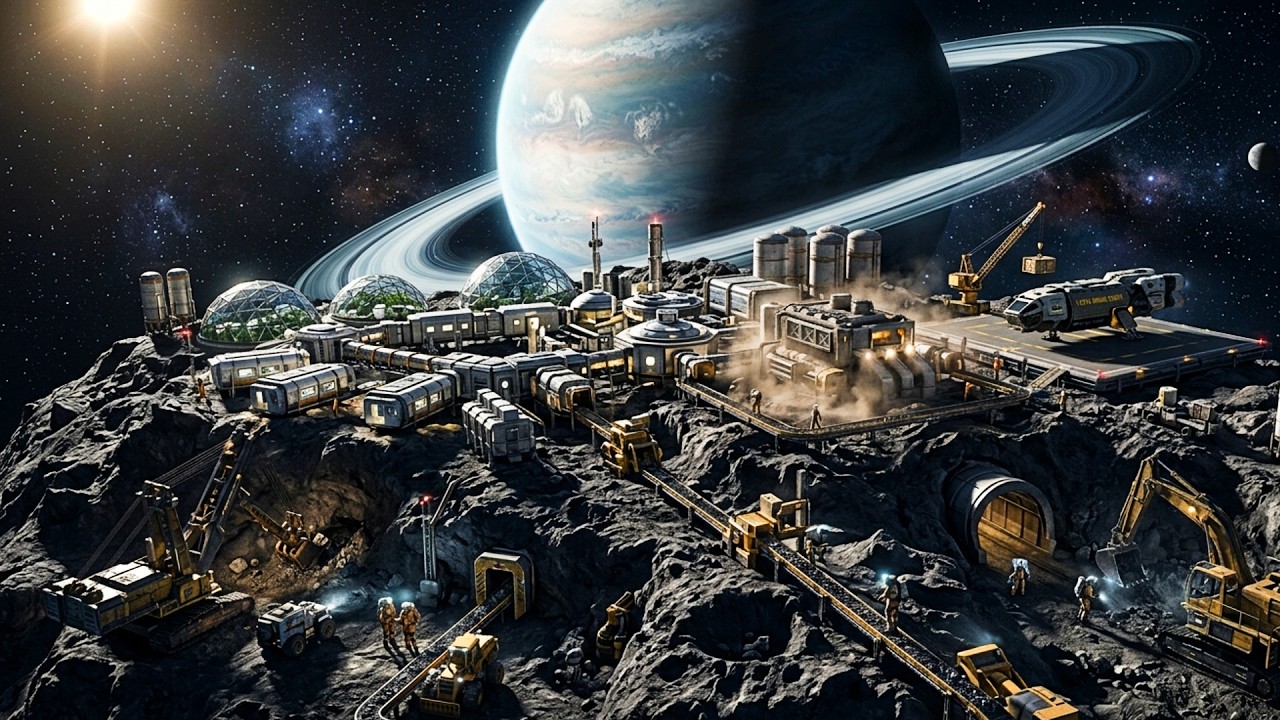
In this first look at Astroscaper, the host Raptor introduces the game as a space-themed colony and base builder that combines city-building elements with strategic puzzle mechanics. The demo, initially released late last year and recently featured in the Steam NextFest, caught his attention due to its unique setting on asteroids and its resemblance to popular games like Astroneer and Dwarf Romantic. Players build habitats, offices, and various resource-gathering structures while balancing population, life support, and resource management. The game encourages thoughtful placement of buildings to maximize synergies and efficiency, with bonuses for clustering compatible structures.
The gameplay involves managing multiple resources such as water, minerals, crystals, ice, and energy, each linked to specific buildings like water filters, solar panels, and crystal collectors. Placement strategy is critical, as some buildings require exposure to sunlight, while others must be positioned near certain resource nodes or environmental features like lava vents. The player must carefully juggle these factors to maintain a sustainable colony, avoiding deficits in life support or resource depletion. The game also features an orbital space station and a dynamic camera system to navigate the asteroid’s surface, adding depth to the building experience.
Astroscaper includes a scoring system based on positive changes in colony stats, encouraging players to optimize their layouts and resource flows. The demo presents a campaign with progressively challenging levels and unlockable buildings like the Astro Hub, which expands gameplay options. Players can experiment with different building types such as labs, farms, gas extractors, and entertainment centers, each influencing the colony’s overall performance. The game also introduces transportation elements like train stations and tracks, which add complexity by connecting different parts of the colony and boosting efficiency.
Throughout the demo, Raptor highlights the game’s peaceful yet engaging atmosphere, praising its blend of city-building and puzzle-solving within a vibrant space setting. He notes the importance of trial and error in mastering building placement and resource management, as well as the game’s potential for long-term play through its leaderboard system and strategic depth. The visuals and design evoke comparisons to Astroneer, appealing to fans of space exploration and base-building genres. Additionally, the game offers a free build mode for creative experimentation, although it was not fully accessible in the demo.
In conclusion, Astroscaper stands out as a fresh take on colony builders by setting the gameplay on asteroids in space and integrating resource puzzles with city-building mechanics. Raptor recommends it as a fun and challenging experience for players who enjoy strategic planning and space-themed games. He encourages viewers to subscribe for more content and expresses enthusiasm for seeing more games like Astroscaper in the future. The demo offers a solid foundation for what promises to be an addictive and rewarding game, perfect for spending extended time refining and expanding one’s space colony.