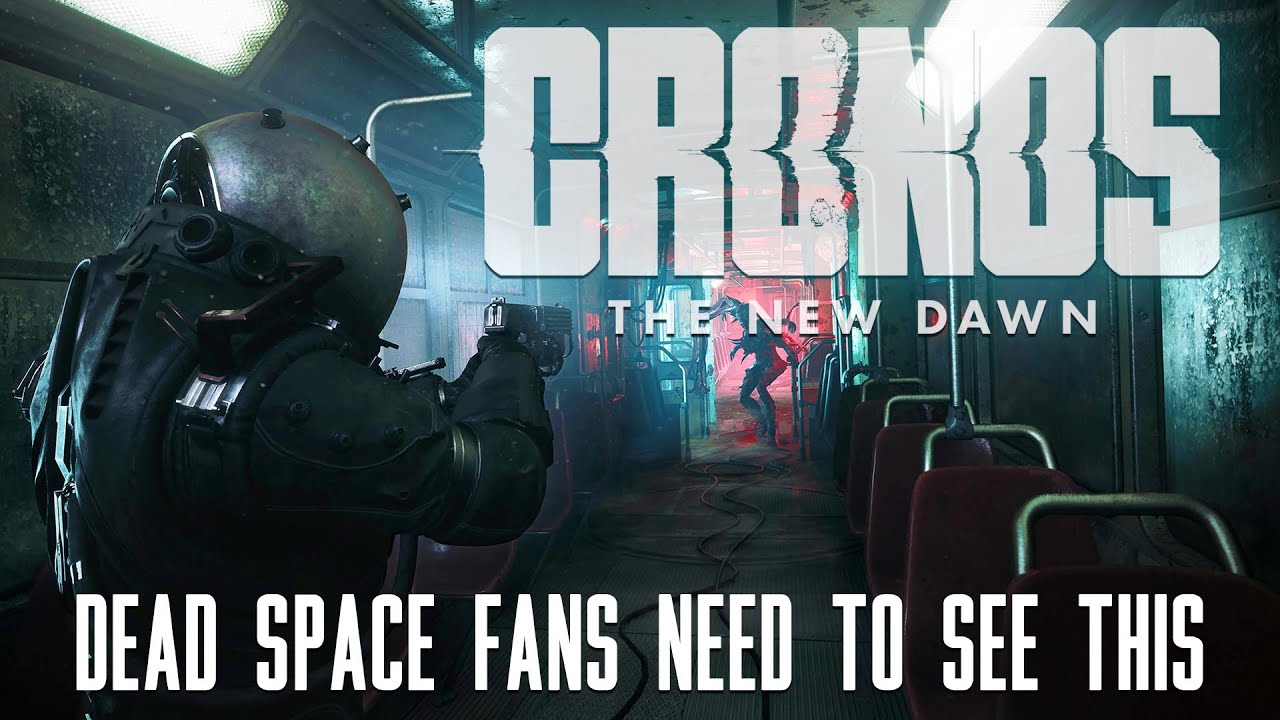
The video provides an in-depth early preview of “Kronos: The New Dawn,” a survival horror game developed by the Lubet team, known for their previous horror titles like Layers of Fear and the Silent Hill 2 remake. Set in an alternate 1980s Poland devastated by an event that turns citizens into monsters called orphans, the game combines retro-futuristic aesthetics with a chilling post-apocalyptic atmosphere. Players assume the role of the Traveler, a female character sent back in time to investigate the catastrophe and locate her predecessor. The game opens with a philosophical and symbolic intro, setting a tone rich in mystery and thematic depth.
Gameplay mechanics blend elements reminiscent of Dead Space and Metro 2033, featuring a mix of sci-fi armor-clad combat and exploration within a crumbling Eastern European setting. Players wield a unique shift blade weapon that functions both as a ranged pistol and melee knuckle duster, though melee combat feels weak and clunky. The game emphasizes survival horror staples like manual save points, audio logs, and resource scavenging, with a crafting system that allows players to create ammo and health items. However, movement and combat pacing lean towards a deliberately old-school, lumbering style, which some players might find frustrating.
A standout mechanic involves enemies called orphans absorbing dead bodies to mutate into stronger variants, compelling players to use a flamethrower built into their suit to burn corpses and prevent this evolution. While innovative, this mechanic can become tedious, especially in cramped areas where players must constantly backtrack to recharge their flamethrower from nearby stations. Combat encounters frequently encourage strategic use of explosive propane tanks scattered throughout environments, adding a layer of tactical gameplay. The game also introduces environmental anomalies manipulated by a gadget called the emitter, adding some light puzzle elements, though these are relatively simple.
The demo culminates in a boss fight within a grotesque, biomatter-covered apartment complex, where players must bait and weaken a large creature using fire and explosives. This encounter draws parallels to iconic survival horror boss battles, notably resembling the Uroboros fight from Resident Evil 5. Despite some frustrations with gunplay balance and the mutation mechanic’s execution, the player found the experience captivating and expressed eagerness to replay the demo. The game’s atmospheric design, storytelling, and retro-futuristic setting were praised, even if the title doesn’t match the polish of AAA games.
In conclusion, “Kronos: The New Dawn” is positioned as a promising new IP in the survival horror genre, offering a fresh take with a unique setting and solid core mechanics. While it has some rough edges, such as limited puzzle complexity and occasionally sluggish combat, it successfully ticks many boxes for fans of the genre. The developer’s shift towards more open environments and exploration is a welcome evolution from their previous, more linear titles. With its early 2025 release looming, the game looks set to be a noteworthy addition for survival horror enthusiasts seeking a blend of sci-fi, retro aesthetics, and atmospheric storytelling.