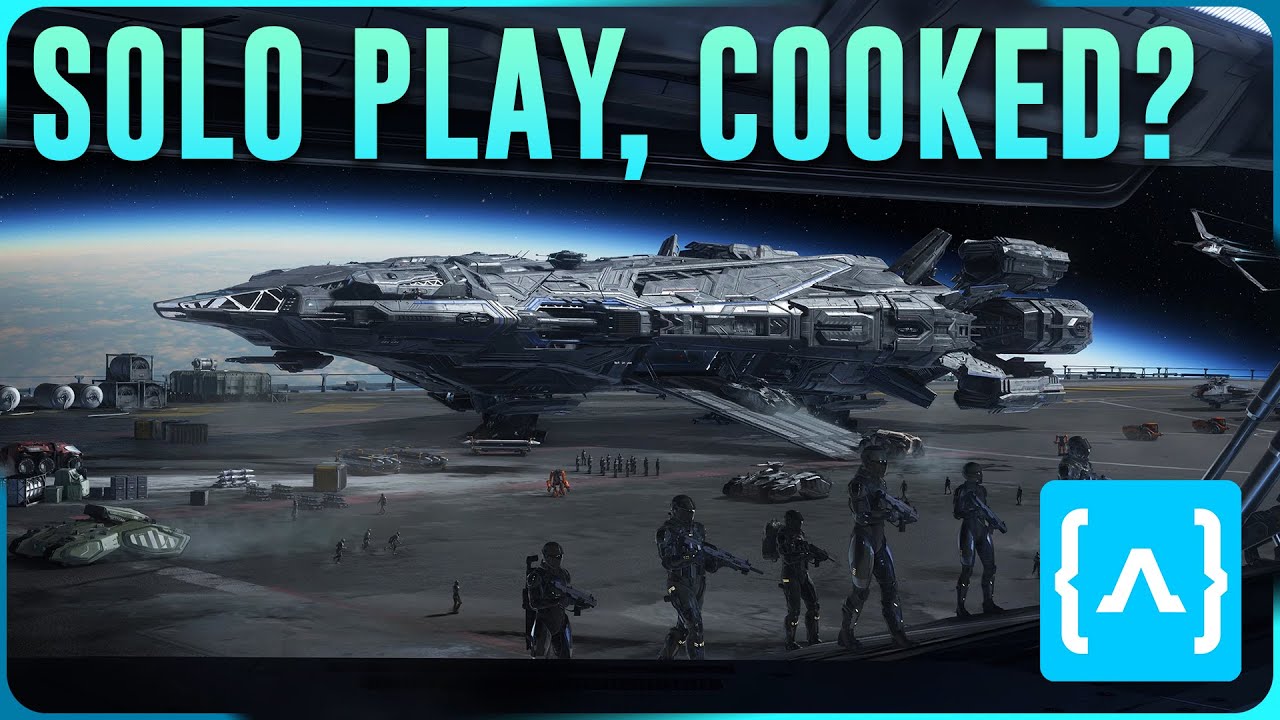
The video provides an in-depth overview of the newly introduced engineering mechanics in Star Citizen, currently available in the PTU and nearing live release. The main focus of engineering is on managing ship resources, particularly power distribution, heat generation, and component durability. Players must now carefully allocate power to ship components to optimize performance while avoiding overheating, which can cause damage and fires. The update also changes how fuses work, turning them into power regulators that reduce available power when damaged or missing, though the current process for replacing fuses is cumbersome and could benefit from quality-of-life improvements.
For solo players, the video reassures that engineering remains largely optional if they avoid combat and damage, aligning with the original intent of the system. However, the power management interface lacks detailed information about heat and cooling, which could lead to accidental overheating. Additionally, some ships are not yet balanced regarding power and heat, occasionally resulting in spontaneous fires. Despite this, players should still be prepared to perform damage control and maintenance, as unexpected situations can arise. Wear and tear on components introduces a new money sink into the game economy, but the current implementation is criticized for being too fast and inconvenient, especially since the UI does not clearly indicate component age or condition.
The video also covers changes to ship defense mechanics, including shields and armor. Shield generators are now limited to two active units per ship, with extras serving as backups, which reduces shield capacity on ships designed to have multiple generators. Armor acts as a secondary health pool that prevents damage from penetrating the hull and components, with different weapons having varying penetration values. Currently, armor is applied globally to the entire ship, but future updates may introduce more granular armor distribution. Fire and damage control are crucial aspects of engineering, with fires caused by overheating or damage spreading and raising ship temperatures. Players can vent atmosphere or use fire extinguishers to manage fires, though improvements to these systems are suggested.
Repair mechanics have been introduced, allowing players to fix damaged components using multi-tools and repair materials purchasable across the game universe. Some ships have an automatic repair function that can be used once before requiring a refill. Repairing is straightforward but controversial, and its final implementation remains uncertain. Overall, engineering adds a layer of complexity and realism to ship operation without making solo play impossible. However, it does not address multi-crew balance, which remains a separate challenge for the developers.
The presenter concludes by emphasizing that engineering is a significant but manageable change that adds depth to ship management and maintenance. They note that time-to-kill (TTK) balance is still inconsistent and likely to be refined in future updates. The community remains divided on the system’s readiness, but the video encourages players to share their thoughts and stay engaged. Finally, the presenter thanks their audience, announces a giveaway to celebrate milestones, and wishes everyone safe travels in the verse.