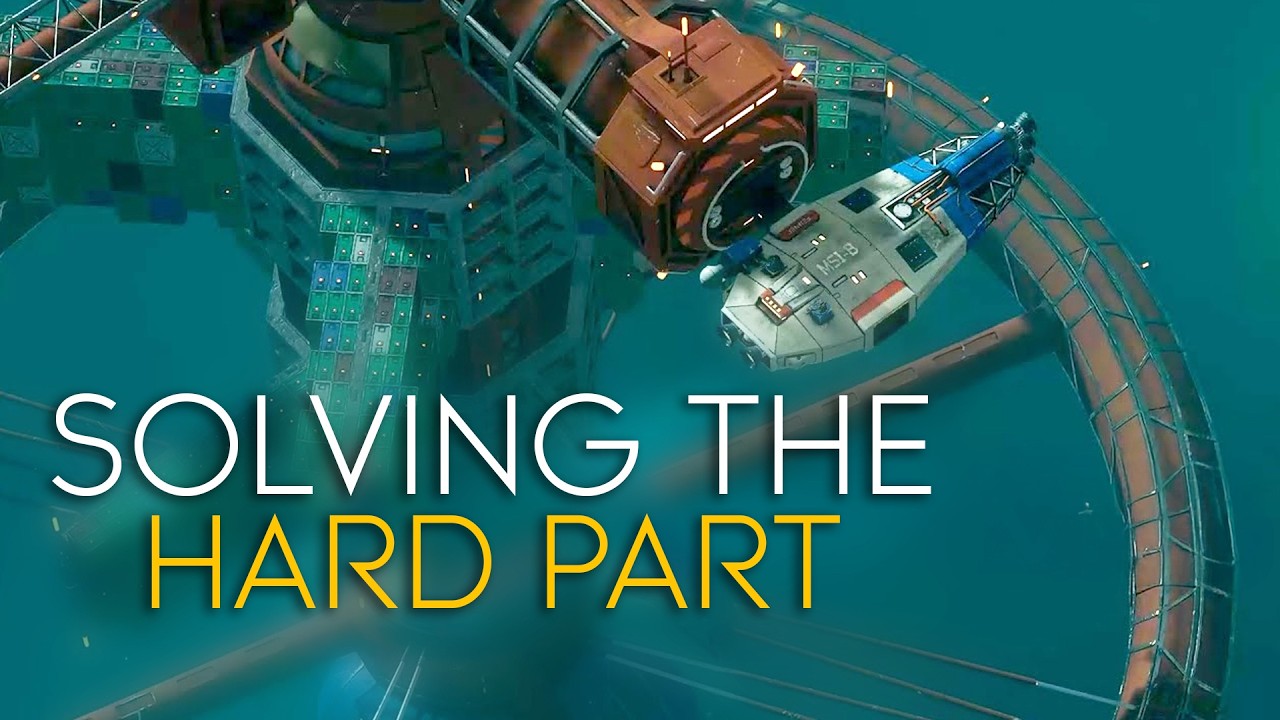
C-Beams is evolving from a simple space game prototype into a self-sustaining universe by establishing the foundations for emergent encounters. Unlike many space games that focus on expansive galaxies or flashy visuals, C-Beams emphasizes grounded, engaging gameplay centered around salvaging and exploring dangerous star systems. The game encourages players to navigate collapsing systems, take contracts, strip wrecks, and make strategic decisions about when to fight or flee, fostering a sense of realism and tension. This approach is not about being the next big space game to save the genre but about creating a game that rewards patience, curiosity, and understanding of its world.
The development team behind C-Beams, Distant Light Games, led by the YouTuber Leveled Cap Gaming, has been working on the game for two years and is making significant progress. What sets C-Beams apart is its design philosophy where every element in the game has purpose and depth. For instance, derelict ships are not mere props but points of interest that can spark emergent stories and unexpected encounters, adding layers of narrative potential that many other space games lack. This design choice helps create a more immersive and meaningful experience for players.
A key aspect of C-Beams is how it integrates loot tables, debris, and scrap into the game world to make space feel textured and alive rather than empty. The floating scrap and physical clutter not only enhance the visual ambiance but also serve gameplay functions, making navigation and exploration feel tangible. This interconnected system of salvageable derelicts, loot, and debris forms a self-sustaining loop where players fly, find, salvage, trade, and upgrade, leading to emergent gameplay that keeps the universe dynamic and engaging.
The developers are currently focusing on bridging the tutorial and demo system into the open-world gameplay, addressing a common pitfall in space games where players struggle to transition from guided experiences to the vastness of the game universe. By refining the onboarding process and building a robust world and mission system, C-Beams aims to maintain player engagement beyond the initial hours. This step is crucial for the game to support a sustainable player experience where the universe remains coherent, the AI behaves logically, and the physics are consistent, ensuring the game world holds itself together as more complex interactions occur.
Overall, C-Beams shows promise as a space game that could generate compelling stories rather than just presenting content. Its long-term ambition is to create a game that captivates players immediately and continues to engage them over time through emergent gameplay and meaningful encounters. While it’s still early in development, the recent progress and design philosophy suggest that C-Beams could become a standout title in the space sim genre, offering a fresh, grounded, and immersive experience that many space games currently lack.