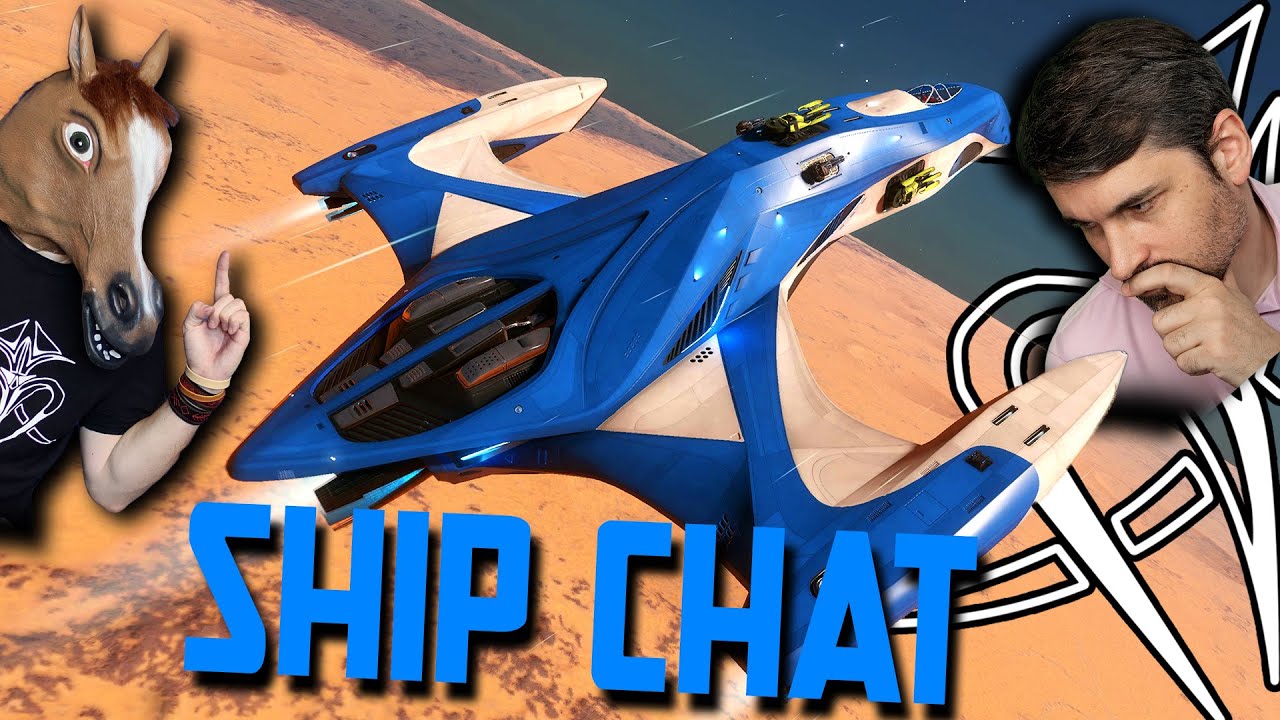
In this detailed discussion, Commander Yamx and his co-host delve into the topic of medium ships in Elite Dangerous, debating whether they are overpowered (OP) within the game. They reflect on their personal journeys from starting with small ships and eventually gravitating toward medium ships, which they find more versatile and enjoyable than larger ships. The hosts agree that medium ships generally offer the best balance for most activities, with only a few exceptions like hauling where large ships excel. They emphasize that while opinions vary, medium ships hold a dominant position in gameplay due to their flexibility and performance.
The duo then systematically reviews various medium ships, highlighting their strengths, weaknesses, and roles. They discuss ships like the Keelback, ASP Scout, ASP Explorer, Federal Dropship, and others, often pointing out design flaws such as poor speed, lack of internal compartments, or ineffective ship-launched fighters. The Keelback, for example, is affectionately criticized as a “worst ship” that surprisingly found niche use in Titan bombing, while the ASP Scout is deemed underwhelming due to its poor stats relative to its price. Suggestions for improvements often include increasing speed, adding compartments, or rebalancing weapon and utility slots to better fit their intended roles.
More modern medium ships such as the Manderlay, Chieftain, Federal Assault Ship, and Corsair receive particular attention. The Manderlay is praised for its exceptional jump range and turn rate but critiqued for lacking meaningful drawbacks, making it arguably overpowered. The Chieftain is lauded as a well-balanced all-rounder, especially effective in anti-Thargoid combat, while the Federal Assault Ship and Gunship are noted for their hull tank roles but suffer from slow speeds and underutilized mechanics. The Corsair stands out as the most powerful and versatile medium ship, capable of excelling in multiple roles including combat, mining, and AX (anti-xeno) missions, though its class 7 thruster mechanic is criticized for breaking game balance by ignoring weight penalties on speed.
The conversation also touches on the Python and its derivative, the Python Mark II, which are iconic medium ships with a rich history in the game. While the original Python was once considered the best multi-role ship, it has been power-crept by newer ships like the Corsair and Python Mark II, which offers more weapon hardpoints and versatility. The Python Mark II is especially popular among gankers due to its ability to mount multiple powerful weapons, though the hosts suggest it could use balancing adjustments such as reduced jump range and speed to differentiate it more from similar ships like the Fer-de-Lance.
In conclusion, the hosts express a desire for better balance and meaningful differentiation among medium ships to prevent overpowered designs that overshadow other ships. They advocate for buffs to underused ships and nerfs to those that dominate, emphasizing that a healthy game ecosystem requires diverse viable options. They also highlight the need for game mechanics to properly support various ship roles, such as hull tanking or ship-launched fighters, to make all ships feel purposeful. The discussion ends with a call for future reviews of large ships and ship-launched fighters, promising continued exploration of Elite Dangerous’ ship meta.