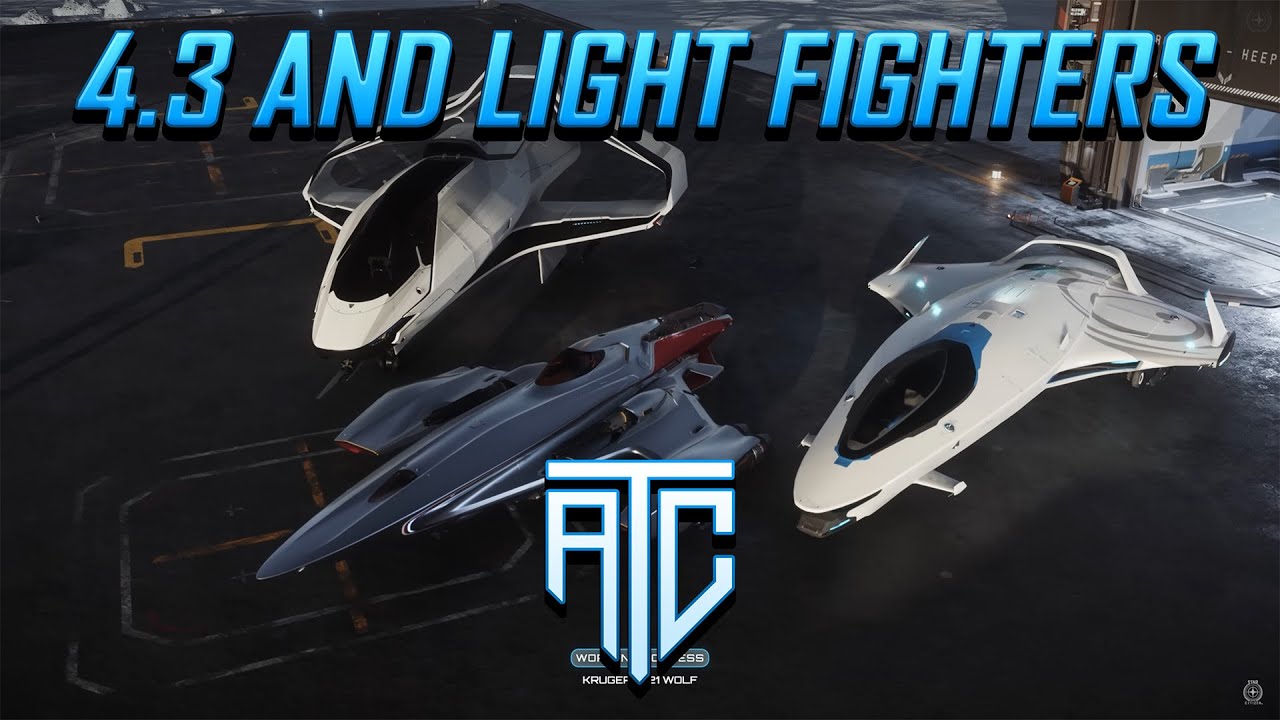
In this detailed discussion between the hosts and guest Avenger One, the focus centers on the evolving state of light fighters and PvP (player versus player) combat in Star Citizen, particularly following the 4.3 update. They begin by addressing technical difficulties with streaming setups and cameras, lightheartedly setting the tone before diving into the meat of the conversation. Avenger One, a seasoned Star Citizen content creator with a background in Eve Online, shares his insights on the game’s current PvP meta, emphasizing that smaller, more maneuverable light fighters dominate combat due to their speed, maneuverability, and survivability, often outclassing larger ships despite the latter’s firepower.
The conversation delves into the recent changes to ship mechanics, such as adjustments to jerk profiles and G-forces, which have fixed bugs and slightly altered ship handling. The hosts discuss how Star Citizen seems to be transitioning towards an MMO-like archetype system where ships have defined roles, similar to classes in games like World of Warcraft or Eve Online. However, this shift has created balance issues, with light fighters overpowering heavier classes, disrupting the intended rock-paper-scissors dynamic. They explore the implications of this on gameplay, expressing a desire for a more balanced system where flight characteristics and ship capabilities are better aligned to promote diverse and skill-based combat.
A significant portion of the dialogue critiques the current weapon and armor systems, highlighting issues such as weapon velocity discrepancies and the ineffectiveness of ballistics compared to lasers. They argue that armor, as currently implemented, does not adequately balance combat dynamics and that the meta heavily favors ships with high maneuverability and laser weaponry. The discussion extends to capital ship combat, noting its growing presence in the game and the need for better engineering and command systems to enhance strategic depth. The hosts envision a future where capital ships have distinct subsystems that can be targeted, and boarding mechanics become a viable gameplay element, enriching large-scale PvP encounters.
The conversation also tackles the game’s economy and insurance mechanics, with the guests advocating for a more meaningful risk-reward system akin to Eve Online’s player-driven economy. They criticize Star Citizen’s insurance system for diminishing the consequences of ship loss, arguing it undermines both PvP and PvE engagement. Suggestions include introducing licensed and unlicensed ships with differing risk profiles, encouraging player trade and crafting, and fostering a living economy where players’ actions have tangible impacts. This economic depth is seen as crucial for sustaining long-term player interest and making PvP more consequential and rewarding.
Finally, the hosts address the cultural aspects of Star Citizen’s PvP community, lamenting the polarization and griefing that sometimes discourages players from engaging in PvP. They share personal anecdotes about organizing fights and encouraging cooperative PvP experiences to build a more vibrant and inclusive community. Despite current challenges, they express optimism about the game’s future, anticipating that as systems mature and player-driven content expands, PvP will become a central and celebrated part of Star Citizen’s universe. The episode closes with Avenger One hinting at upcoming content and initiatives to further promote PvP engagement within the community.