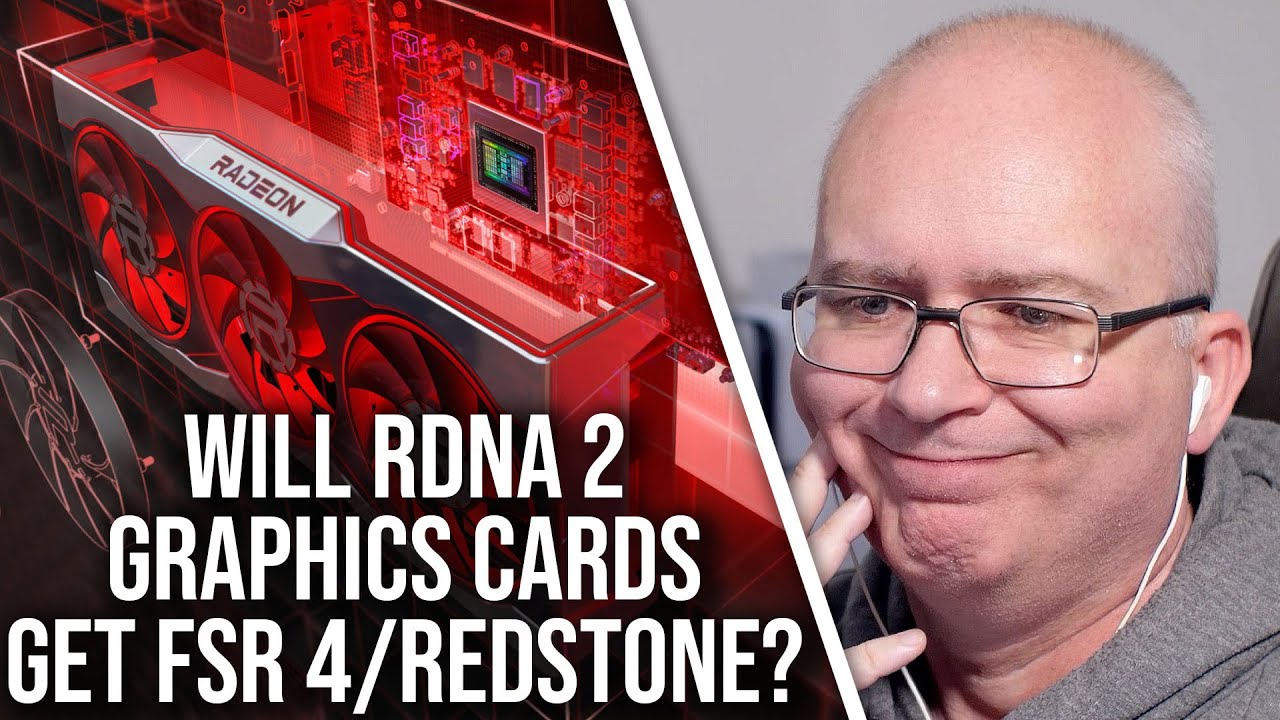
Last week, AMD released a new driver update for its Radeon graphics cards, accompanied by an announcement that caused significant confusion and concern. AMD indicated that driver updates would be split into two branches: one for RDNA 1 and 2 GPUs, which would enter “maintenance mode” with fewer updates and no new features, and another for RDNA 3 and 4 GPUs, which would receive full support and optimizations. This move alarmed many users, especially given the widespread use of RDNA 2 GPUs, including in popular devices like the Xbox Ally. However, AMD later clarified that RDNA 2 GPUs would continue to receive day-one game optimizations and support, leading to mixed messaging and further confusion.
The core issue revolves around whether RDNA 2 cards will receive future features such as FSR 4 (FidelityFX Super Resolution) and Redstone, as well as important DirectX shader model updates. These updates are crucial for developers to optimize games and improve performance, especially for PC ports of console titles. AMD’s responses to questions about these features were vague, with no clear commitment to supporting RDNA 2 with these advancements. While AMD assured that game optimizations would be delivered simultaneously across RDNA 1 through 4 driver branches, doubts remain about the extent and quality of these optimizations for older architectures.
Industry experts and insiders have weighed in, noting that even when AMD maintained a unified driver branch, optimizations for newer architectures like RDNA 3 were not always backported to RDNA 2 due to resource constraints. Splitting the driver branches now likely means reduced attention and fewer optimizations for RDNA 2 over time. This situation raises concerns about the long-term viability and value of RDNA 2 GPUs, which have been popular and widely used. The decision could influence consumer purchasing behavior, making users hesitant to buy older generation GPUs if they fear diminishing support and performance.
The discussion also touched on the broader implications for PC graphics card support in general. Unlike in the past when older GPUs quickly became obsolete due to dramatic changes in technology, the rise of ray tracing, machine learning, and handheld PC devices has extended the lifespan of mid-range and older GPUs. This makes sustained driver support more important than ever. AMD’s history of deprecating support for previous architectures like Vega adds to concerns about whether RDNA 2 will receive adequate long-term maintenance, especially given the large install base.
In conclusion, the situation highlights AMD’s communication challenges and the potential impact on RDNA 2 users. While AMD promises continued day-one support, the lack of clarity on new features and the creation of separate driver branches suggest a possible decline in support quality for RDNA 2 over time. This contrasts with competitors like Nvidia, which maintain longer support for older cards. For consumers and enthusiasts, this raises important questions about the future performance and value of their current RDNA 2 GPUs and the company’s commitment to legacy hardware.