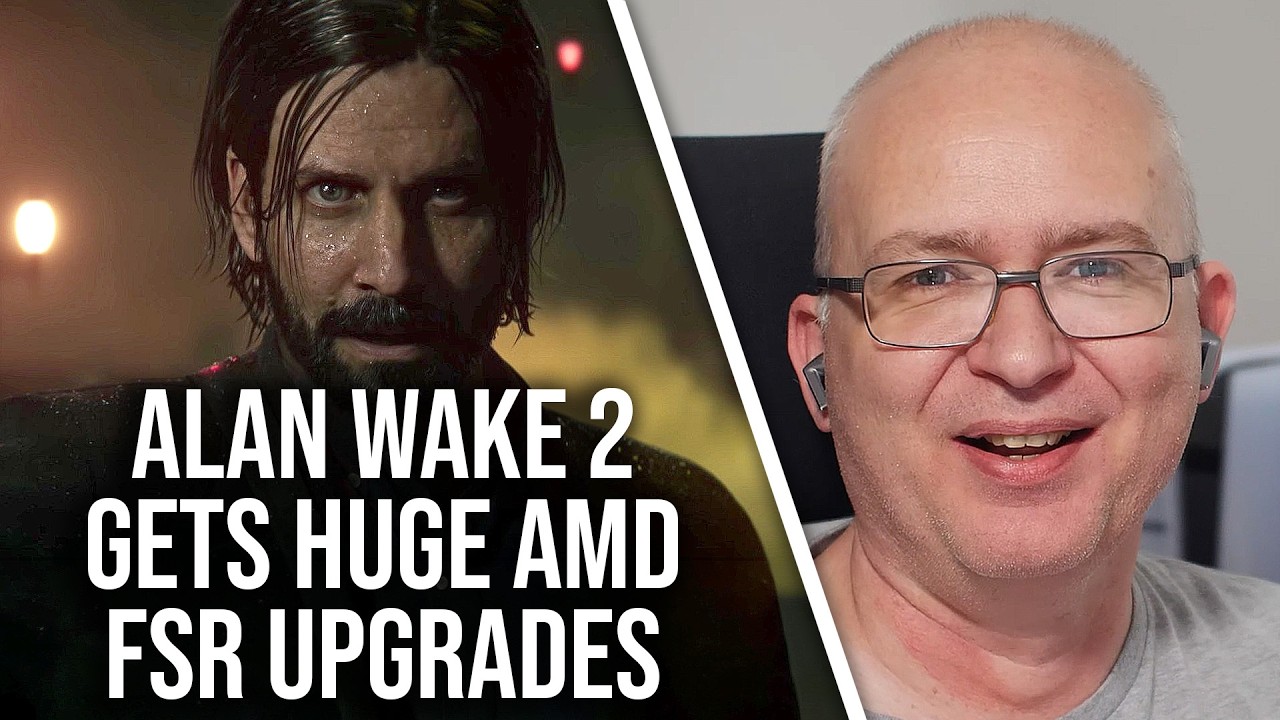
A new update for Alan Wake 2 on PC, patch 1.2.10 released on August 18th, introduces significant improvements including support for AMD’s FidelityFX Super Resolution (FSR) 4.1 and FSR frame generation. Alongside these enhancements, the patch also addresses several bugs such as audio synchronization issues during cinematics, a New Game Plus progression problem, and a Quick Slots crash. Previously, users relied on OptiScaler for upscaling, which worked well for some but caused minor artifacts for others. The new FSR 4.1 implementation aims to provide a better experience, though some issues remain due to the use of outdated DLLs in the game, particularly affecting the frame generation feature.
The frame generation currently uses only the software version rather than the machine learning-based version, which is a notable omission. However, users can manually update the DLLs by downloading the latest FidelityFX SDK from AMD and replacing the old files in the game directory. This workaround, while effective, is unusual as it requires user intervention rather than being handled by the developers. The update also includes future-proofing features like support for opacity micromaps and shader execution reordering via Microsoft’s Agility SDK, which should enhance compatibility across different graphics platforms, including Nvidia.
There has been ongoing discussion about frame pacing issues with AMD hardware, particularly related to frame generation. Some solutions, such as enabling Vsync in the control panel despite using Variable Refresh Rate (VRR), have helped mitigate these problems, though results vary depending on the display and scenario. Despite these challenges, the effort to retroactively add modern features to a three-year-old game is seen positively. It encourages both returning players and new users to revisit Alan Wake 2 with improved performance and visual enhancements.
The update also reflects Remedy Entertainment’s commitment to keeping their games technologically current across multiple hardware vendors. This approach benefits both the developers and players by ensuring compatibility with the latest graphics technologies. Remedy has previously updated Alan Wake 2 with DLSS 4.5, and similar advancements are expected in their upcoming title, Control Resonance, slated for release soon. This trend of backporting new tech to older games is a strategic move to maintain interest in their back catalog and sustain sales over time.
Additionally, the discussion touched on other developers updating classic titles, such as Aspyr’s recent patch for Tomb Raider 1 through 3. This update finally introduced a 60fps mode for the classic graphics option, addressing a long-standing limitation where players were restricted to 30fps. These ongoing updates across various games highlight a broader industry trend of enhancing older titles with modern features, improving player experience, and extending the lifespan of popular games.