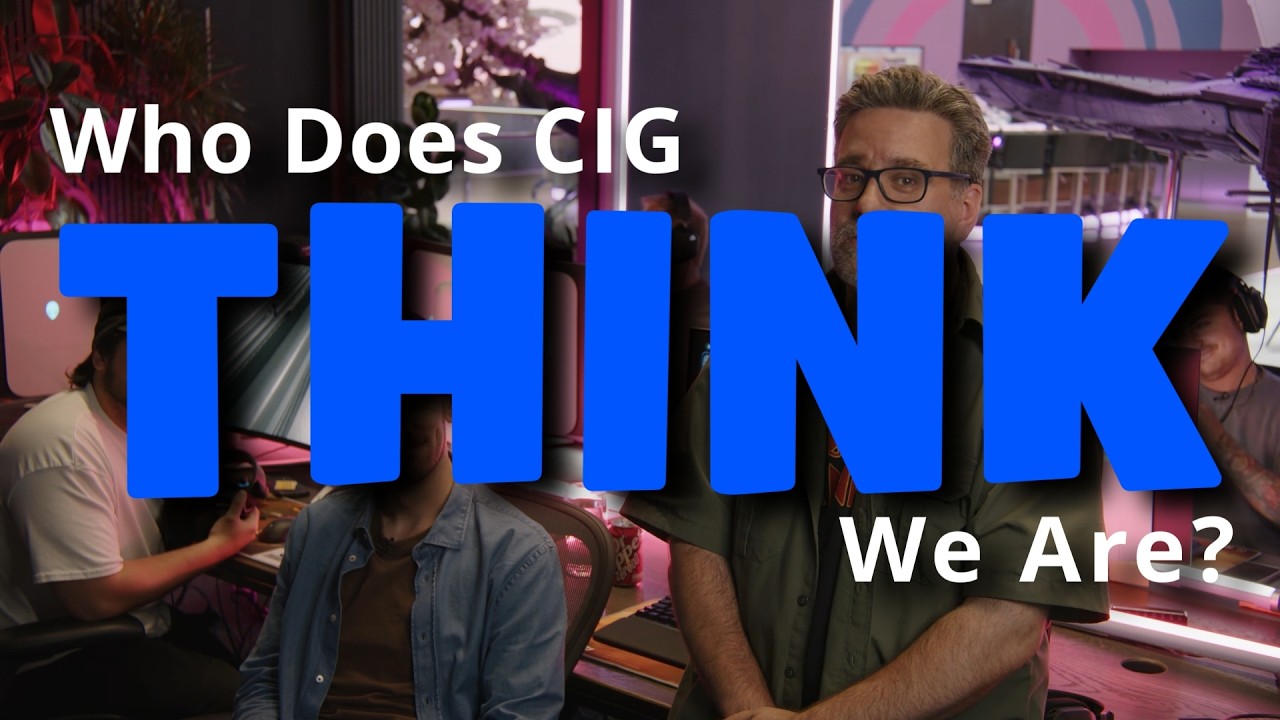
Daniel Raymond critiques CIG’s recent Star Citizen Happy Hour stream for poor production choices—such as using internal servers over the Public Test Universe and having the host play the game—which led to a disengaging viewer experience and highlighted a shift in CIG’s video content from community education to marketing. He suggests these decisions reflect CIG’s current view of its audience as customers rather than partners, urging more transparency and engagement moving forward.
In this unscripted video, Daniel Raymond of Ray’s Guide discusses the recent disappointing debut of CIG’s Star Citizen live Happy Hour GameDev stream, hosted by Olli43. Daniel empathizes with the challenges of stepping into a new role but criticizes several decisions that led to a painful viewing experience. He clarifies that when he critiques these decisions, he does not assume the presenter made them, as content formats are often dictated by people behind the scenes. He provides examples of past popular shows like Calling All Devs and Bug Smashers that were canceled due to management decisions rather than content quality.
One major issue highlighted was the choice to run the stream on internal servers instead of the Public Test Universe (PTU). This decision set unrealistic expectations by implying a “perfect” environment, which backfired when bugs and performance issues still appeared. Moreover, it alienated viewers by making the content irrelevant to their actual experience, as they couldn’t see the same environment or issues. Daniel argues that showing PTU problems transparently would have been better, as it would educate and inform the community about ongoing challenges and development progress.
Another critical mistake was having Olli43 play the game rather than act as the host and narrator. This split his focus, preventing him from engaging with the audience or responding to Twitch chat questions, which diminished the stream’s effectiveness. Daniel compares this to expecting a famous sports announcer to play on the field instead of commentating. The lack of clear communication and coordination was also evident in the clumsy ending, where Jared had to physically prompt Olli43 to wrap up, highlighting a breakdown in production and experience.
Daniel then reflects on the evolution of CIG’s video content over the years. Initially, content was Q&A-focused, aimed at curious newcomers. It then shifted to deeper dives into game development, fostering a shared learning experience between CIG and backers. However, in recent years, content has become more marketing-driven, focusing on selling ships, patches, and features rather than educating or involving the community. This shift has led to frustration among longtime supporters who feel treated more as customers than as partners in development.
Finally, Daniel speculates that the recent content decisions reflect how CIG currently views its audience—as customers to be sold to rather than learners to be engaged. This likely influenced the choice to avoid showing the imperfect PTU environment. He also shares updates on his own channel’s giveaways and encourages viewers to participate. He closes with a reminder to “fly safe, keep it real,” reinforcing his connection to the Star Citizen community.