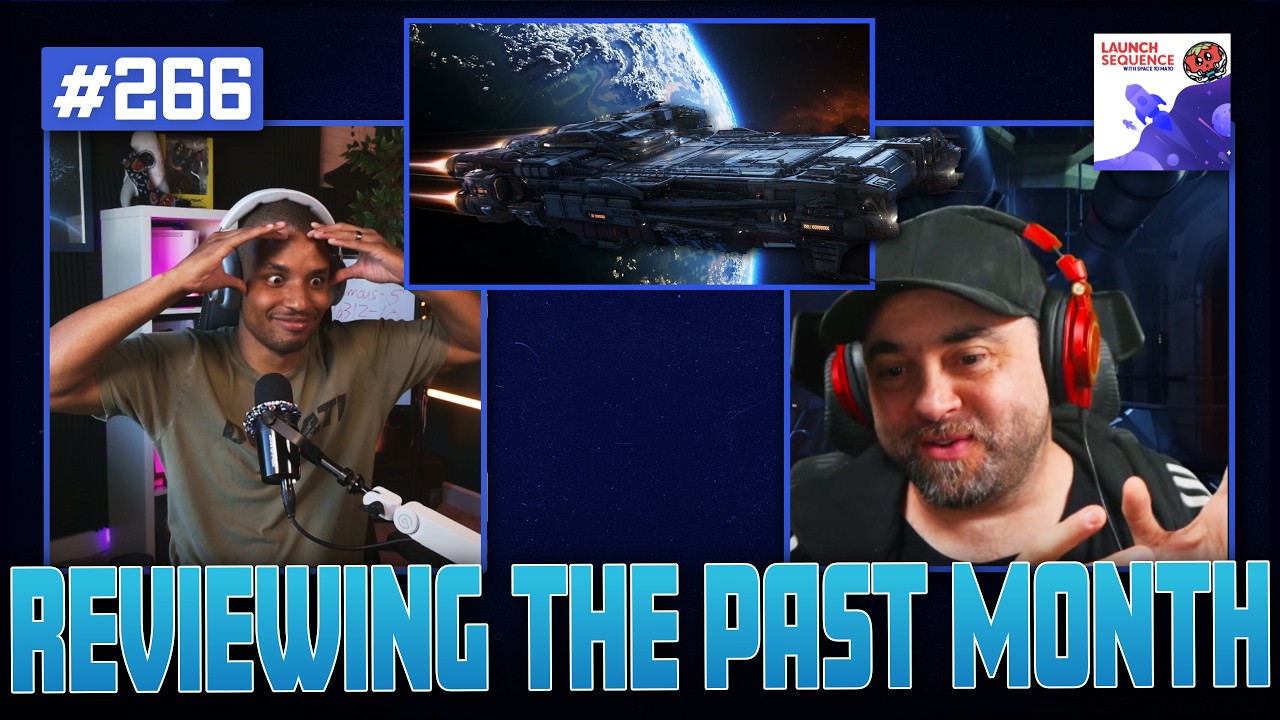
The podcast episode delves into the recent surge in Star Citizen ship sales, highlighting concerns from the community about the game’s monetization strategies. The hosts discuss the complexity and evolution of ship purchasing, particularly focusing on the Cross Chassis Upgrade (CCU) system, which once allowed players to upgrade ships cheaply but has since been heavily restricted. This system, initially designed to offer flexibility and savings, became exploited, leading to changes such as limiting buybacks and increasing CCU costs. The conversation emphasizes how these mechanics have influenced player behavior, with many investing significant time and money to optimize their fleets, often through intricate upgrade paths.
A significant portion of the discussion centers around the new ships released during the Defense Con event, including the Starlight, Pitbull, Origin M80, Ironclad, Tiburon, and the high-profile Anvil Odin. The Starlight is praised for introducing fresh gameplay focused on refueling missions, contrasting with the predominantly combat-oriented ships. In contrast, the Pitbull and Tiburon receive criticism for their pricing and functional roles, with the Pitbull lacking a quantum drive yet priced higher than starter ships and the Tiburon seen as a less effective variant of the Hammerhead. The Origin M80 is noted for its strong combat capabilities but is expected to face balancing adjustments. The Ironclad’s release is described as buggy and problematic, reflecting broader development challenges.
The Anvil Odin, Star Citizen’s most expensive and largest player ship, sparks debate due to its high cost ($5,000) and lack of detailed information at launch, such as crew requirements and gameplay roles. The hosts express skepticism about its value, suggesting it offers little innovation beyond scaled-up existing designs and questioning the rationale behind its pricing and marketing. This leads to broader concerns about the game’s direction, with the impression that ship sales are heavily driven by marketing needs and preparations for Squadron 42, rather than player experience or game balance.
Throughout the episode, the hosts also touch on the challenges facing new players, including the steep learning curve imposed by complex ship purchasing systems and the lack of in-game tutorials or social tools to ease entry. They advocate for better onboarding experiences, such as mentor systems or guided missions, to help newcomers understand gameplay mechanics and ship customization. The discussion highlights how the current state of the game, combined with buggy releases and opaque communication from developers, risks alienating both new and existing players, especially as the community anticipates the launch of Squadron 42.
In conclusion, the podcast reflects a community at a crossroads, grappling with the tension between monetization strategies and delivering a polished, accessible game. The hosts predict an ongoing trend toward cosmetic variants and incremental ship releases, expressing hope for more meaningful player customization and transparency. They emphasize the need for clearer communication from developers and better support for players to sustain interest and trust. The episode ends with a call for feedback and engagement, underscoring the passionate and invested nature of the Star Citizen community amid uncertain times.