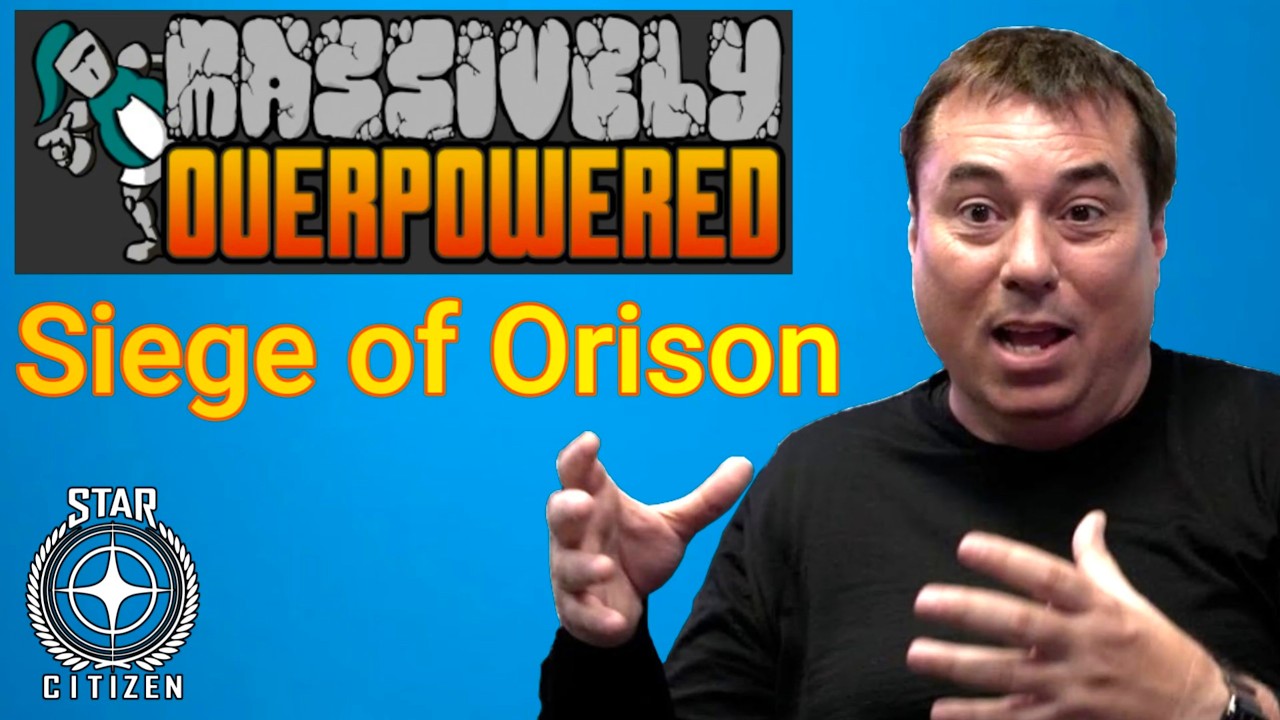
The article presents a highly critical opinion on Star Citizen’s recent live preview of the Siege of Orison gameplay, describing it as a bug-riddled and cringe-inducing experience that disappointed many fans and regular players. The live stream, intended to showcase the upcoming FPS combat encounter in alpha 4.1.0, suffered from numerous technical issues including poor frame rates, inattentive AI, UI problems, and even a technical lockout during the encounter. The broadcast was conducted on a closed test build on a live server, yet the performance was far from polished or ready for public consumption.
The author expresses frustration with the state of the game despite its long development time and massive budget, estimated at over $1 billion and 14 years in the making. They criticize Chris Roberts, the project lead, for having misplaced priorities, focusing on cinematic elements like Squadron 42 rather than fixing core gameplay mechanics. The gameplay shown was riddled with bugs such as malfunctioning inventory med guns, repetitive NPC voice lines, and unrealistic physics where objects like dead NPC weapons behaved oddly. These issues highlight a lack of progress on fundamental gameplay aspects, even in controlled testing environments.
A particularly awkward moment occurred during the stream’s conclusion involving content director Jared Huckaby and newly hired YouTuber Ollie, which the author describes as unprofessional and symptomatic of a toxic company culture at Cloud Imperium Games (CIG). The interaction further soured the broadcast and left viewers with a negative impression of CIG’s internal dynamics. The author also voices skepticism about CIG’s transparency going forward, fearing that the company might become less open and more controlled by marketing demands due to the backlash from this livestream.
Community reactions mirrored these concerns, with many players expressing disappointment and frustration across social media platforms and official forums. There was a shared sentiment that the game’s performance and design direction are regressing, and that CIG’s focus seems heavily skewed towards monetization rather than delivering a polished product. The author doubts the game will ever fulfill the ambitious promises made over the past decade and predicts that even a minimal viable release will be incomplete, buggy, and far from the immersive experience originally envisioned.
In closing, the article conveys a sense of resignation and loss regarding Star Citizen’s future, urging fans to stop investing money into the project. The author highlights ongoing physics issues, such as ships lacking realistic mass, and sarcastically comments on the game’s current state as more of a decorative showcase than a fully functional experience. Despite their criticism, the author maintains a desire for Star Citizen to succeed but is pessimistic about the likelihood of meaningful improvements anytime soon. They invite viewers to follow them on social media for further commentary.