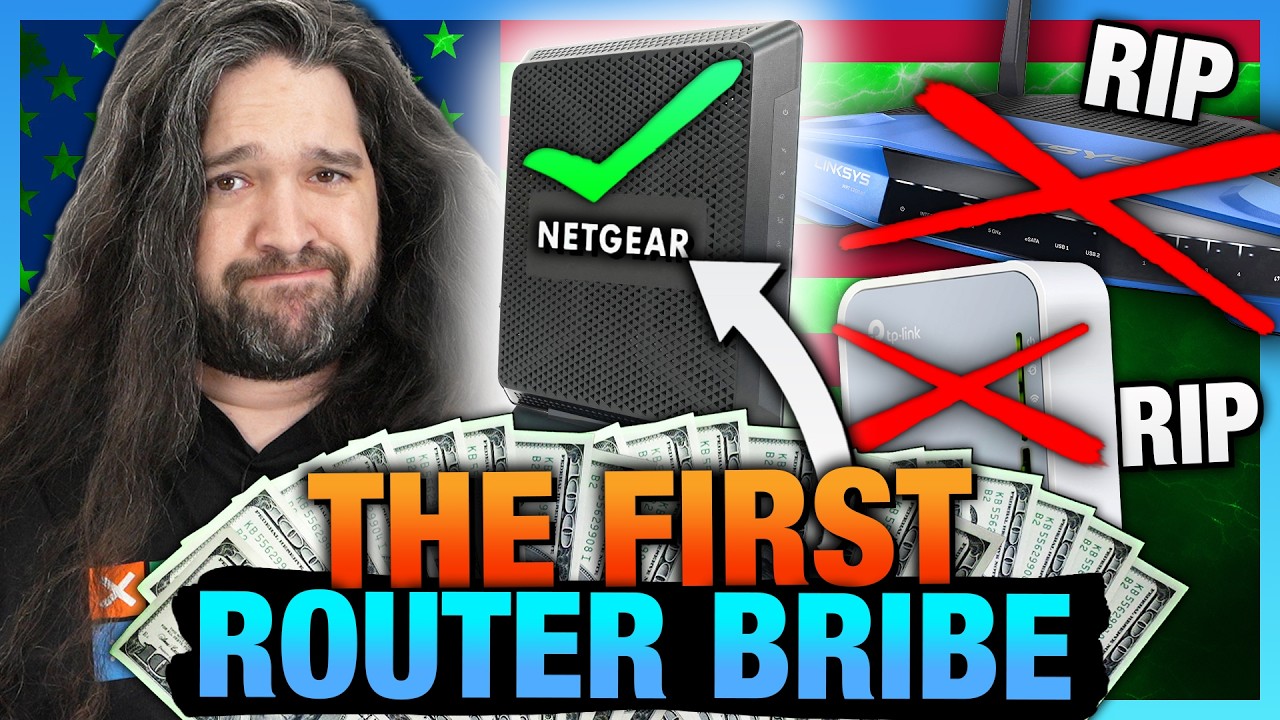
The United States has effectively banned the sale of new foreign-made consumer routers, citing national security concerns. The Federal Communications Commission (FCC) halted imports of these routers, claiming they pose unacceptable risks due to their involvement in cyberattacks targeting critical infrastructure. However, the ban may inadvertently consolidate power among internet service providers (ISPs), who increasingly require customers to rent routers, creating ongoing costs for consumers. The U.S. currently lacks domestic router manufacturing capacity, with most routers assembled overseas in countries like Thailand, Vietnam, and Taiwan. This restriction is expected to raise prices, reduce innovation, and potentially degrade security as older models lose support over time.
The FCC’s ban broadly defines “consumer-grade networking devices,” potentially encompassing not only traditional routers but also portable hotspots, mesh systems, and other devices capable of forwarding internet traffic. This expansive definition raises concerns about the impact on technology availability and consumer choice. While existing router models already authorized can still be sold and updated until March 2027, the ban restricts new imports, limiting access to newer hardware and software security improvements. Critics argue that this approach could leave consumers more vulnerable, as many cyberattacks exploit software vulnerabilities rather than hardware origin, and U.S.-made devices are not immune to security flaws.
Political and corporate interests appear deeply intertwined with this policy. Companies like Netgear have lobbied heavily for protectionist measures, while competitors such as TP-Link, a company with Chinese origins but U.S. headquarters and manufacturing in Vietnam, face scrutiny and potential exclusion from the market due to national security allegations. The FCC’s conditional approval process, controlled by the Department of Defense and Homeland Security, adds layers of complexity and raises concerns about government surveillance and potential backdoors in networking equipment. Starlink, led by Elon Musk, is positioned to benefit from this environment, given its government ties and claims of domestic router manufacturing.
The ban reflects a broader trend of deregulation and reduced cybersecurity oversight under FCC leadership, notably under chairman Brendan Carr, who has been criticized for prioritizing industry interests over public security. Previous cybersecurity safeguards requiring ISPs to secure their networks were repealed under lobbying pressure. This regulatory environment, combined with the router ban, may empower ISPs and limit consumer options. Experts highlight that many security risks stem from poor industry practices and lack of regulation rather than the geographic origin of hardware, suggesting that the ban may not effectively address the underlying cybersecurity challenges.
Ultimately, the router ban raises significant concerns about consumer costs, innovation stagnation, and increased government and corporate control over internet infrastructure. It risks creating a surveillance apparatus similar to those criticized in other countries, while limiting access to advanced technology. Open-source router firmware solutions like OpenWRT and PFSense remain viable alternatives for security-conscious users, but broader systemic issues persist. The policy exemplifies how national security rhetoric can mask complex intersections of politics, corporate lobbying, and surveillance, affecting everyday technology users in profound ways.