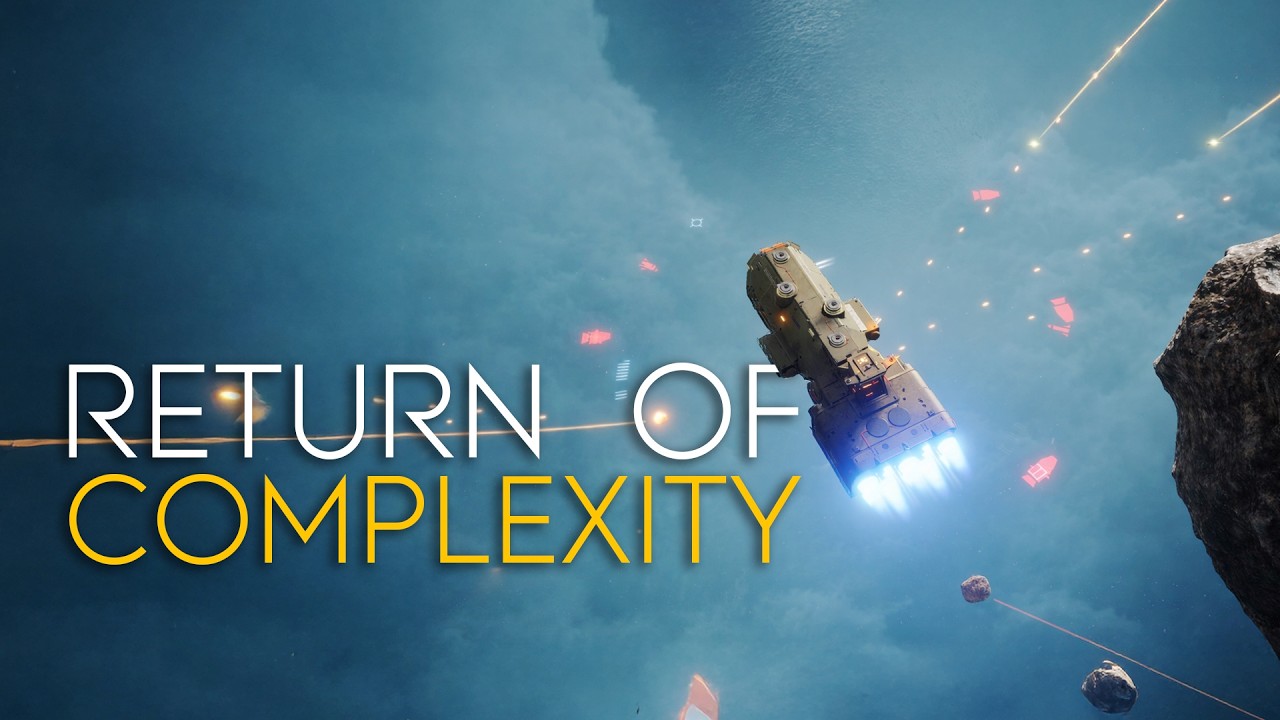
Over the past year, there has been a noticeable shift in simulation games, particularly in the space genre, where developers are embracing complexity rather than simplifying gameplay. Instead of automating systems or reducing interactions to single-button presses, these new titles encourage players to deeply engage with the mechanics, understand the consequences of their actions, and manage intricate systems. This trend represents a rebellion against the increasingly arcade-style approach seen in many mainstream games and is evident across multiple indie studios producing diverse titles ranging from hardcore command simulations to survival games and action RPGs.
One standout example is Seabeams, an upcoming top-down space action RPG developed by Distant Light Games. Unlike typical action RPGs, Seabeams emphasizes realistic physics where the ship is a physical object affected by mass, retro burns, and subsystem management. Players must master tactical combat by disabling enemy subsystems and managing cargo weight, making engagements more strategic than simple damage races. Though still in development, the game’s ongoing dev logs showcase its commitment to this complex, physics-driven gameplay, making it one of the most anticipated space titles.
Spacecraft by Shirro Games offers a slightly more accessible but still complex experience, focusing on ship design and interplanetary logistics. Every component added to the ship affects its handling, requiring players to balance weight and protection carefully. Beyond piloting, the game involves building automated mining operations, managing supply chains, and engaging in a player-driven economy. This layered complexity is available to try now through a free Steam demo, highlighting the game’s systems-driven approach to space simulation.
Impossible One Luna Industries takes complexity into the realm of colony management, grounded in real-world technology. Players oversee a lunar mining operation where they must balance colonists’ survival needs—like housing and radiation shielding—with the financial expectations of Earth-based investors. The game emphasizes realistic challenges such as psychological effects of isolation and low gravity, making the management experience deeply intricate. Like the previous titles, Impossible One offers a demo, inviting players to explore this detailed simulation.
Finally, the video covers two more unique games: Atmosphere, a sci-fi survival game where players manage mobile air bases and vehicles with complex maintenance and configuration systems; and Iron Nest, a dieselpunk artillery simulator set in an alternate 1920s Spain that demands manual operation of a colossal walking turret. Both titles exemplify the broader trend of games embracing depth and mechanical engagement over simplicity. Together, these five games illustrate a growing appetite among players for rich, system-driven experiences that challenge them to master complexity rather than avoid it.