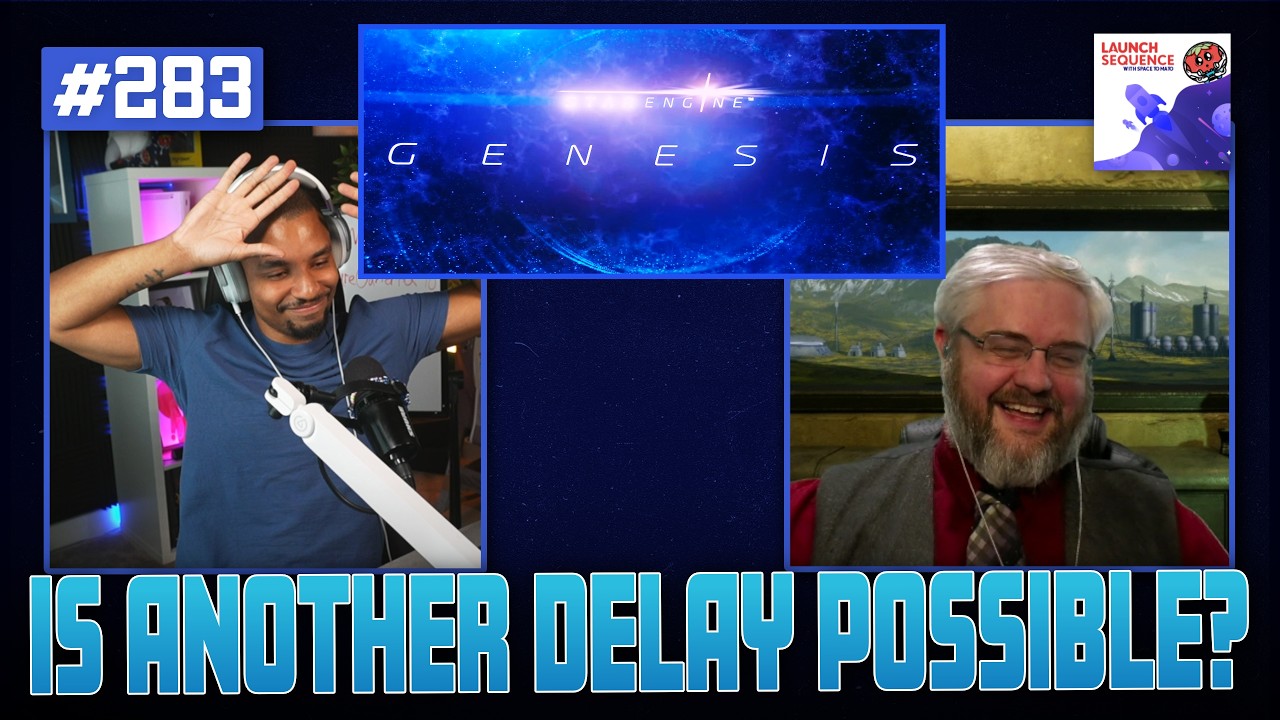
The Launch Sequence podcast episode dives deep into the current state and future prospects of Star Citizen, highlighting the game’s development challenges and community sentiments. The hosts discuss how Star Citizen is in a peculiar phase where backend improvements, such as physics and server meshing, are underway, but there is a lack of significant new front-end content to engage players. The crafting system, once a major update, has stagnated, leaving many players with little new to explore. Compounding this, the release of other high-profile games has overshadowed Star Citizen, making it harder for the game to maintain player interest. The much-anticipated Alpha 4.11 update appears delayed, likely pushing its release into early 2025, which could impact community morale and funding.
A significant portion of the discussion centers on upcoming ships, notably the Liberator and the Galaxy. The Liberator, a large ferry ship designed to transport smaller ships and vehicles across star systems, is expected to arrive early next year and may influence gameplay by necessitating changes in how players traverse space. The Galaxy, slated for release at the upcoming Intergalactic Aerospace Expo (IAE), features modular components but faces skepticism regarding its practicality and balance. The conversation also touches on the trend of introducing “Mark 2” versions of legacy ships, which some backers view as a cash grab that could alienate long-term supporters. The hosts emphasize the importance of goodwill in maintaining community trust, suggesting that giving existing backers access to updated ships could mitigate backlash.
The podcast also addresses the upcoming Squadron 42 playtest event, scheduled for October, where selected content creators and backers will get hands-on experience with the game. This event aims to generate hype and demonstrate progress on the single-player campaign after many years of development. However, the hosts caution that the session will be tightly controlled, with participants handpicked for their generally positive stance towards the project. They expect the prologue and possibly an updated vertical slice to be showcased, with a wider marketing campaign to follow. Despite the excitement, there is skepticism about when Squadron 42 will fully release, with predictions placing it no earlier than late 2025 or beyond.
A notable positive development discussed is the introduction of new physics systems in Star Citizen’s tech previews, which promise more realistic object interactions and improved stability. This backend work, led by newer developers with modern game development experience, could significantly enhance gameplay quality over time. The hosts express hope that these technical improvements, alongside tweaks to combat mechanics like time to kill adjustments, will create a more balanced and enjoyable experience. However, they also note the ongoing communication challenges from Cloud Imperium Games (CIG), which often delays or withholds information, fueling community frustration.
Finally, the episode briefly touches on the announcement of a new Starcraft FPS project by Blizzard, developed by former Cloud Imperium developers, which has generated excitement among fans. The hosts speculate on the game’s potential style and storytelling approach, drawing parallels to other popular shooters and emphasizing the rich lore of the Starcraft universe. Wrapping up, the hosts reflect on the complexities of Star Citizen’s development journey, the importance of continued community engagement, and their anticipation for future updates and related space game content. They encourage listeners to stay connected and share feedback as the podcast expands its coverage of space-themed games and industry news.