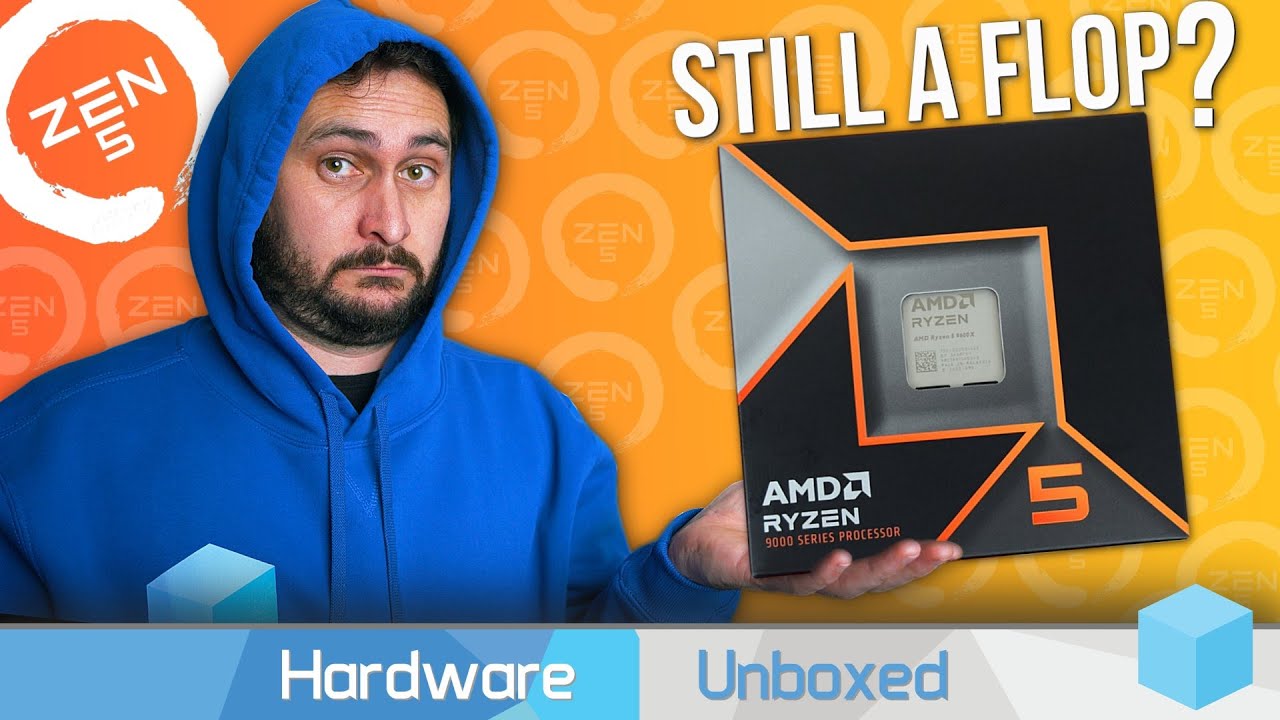
The release of AMD’s Zen 5 series in late 2024 was highly anticipated, promising significant gaming performance improvements with a 16% IPC increase over Zen 4. However, the reality fell short of expectations, as early benchmarks showed only marginal gains—around 1-2% faster than Zen 4 processors. This sparked widespread confusion, especially since AMD’s own internal testing revealed instances where Zen 5 CPUs performed worse than their Zen 4 counterparts in gaming scenarios. The situation led to a complex investigation involving Windows 11 updates and security features, with AMD attributing some performance issues to bugs in Windows 11.
One key discovery was that running Windows 11 in a special administrator mode improved Zen 5 performance, but it also boosted Zen 4 CPUs, indicating the fix was not exclusive to Zen 5. Later, AMD pointed to the Windows 11 24H2 update, which included scheduler and branch prediction optimizations that reportedly unlocked better Zen 5 performance. Testing confirmed that both Zen 4 and Zen 5 processors benefited from this update, with Zen 5 showing around a 10% average gaming performance uplift. Interestingly, Intel CPUs saw little to no gain from the update, which helped narrow the performance gap between AMD and Intel processors.
Despite these improvements, Zen 5 still struggled to deliver substantial gains over Zen 4 in most games. Testing across a dozen titles revealed that Zen 5’s 9600X was only about 3-6% faster than the Zen 4 7600X on average, with some games showing no meaningful difference. Certain titles like Rainbow Six Siege and Baldur’s Gate 3 demonstrated more pronounced gains for Zen 5, but these were exceptions rather than the norm. Additionally, in CPU-intensive tasks like shader compilation, Zen 5 showed negligible improvements compared to Zen 4, further underscoring the limited performance leap.
Pricing played a crucial role in the reception of Zen 5. At launch, Zen 5 processors were priced significantly higher than comparable Zen 4 models, with premiums of up to 60%, making the modest performance gains hard to justify. This led to poor sales and forced AMD to reduce prices within a few months. As prices normalized, Zen 5 became a more reasonable choice, but the upgrade still lacked excitement due to the minimal performance improvements. For existing AM5 users, the release was a disappointment, and those on AM4 had little incentive to switch.
In conclusion, while Zen 5 eventually saw some optimization and modest gaming performance improvements, it largely failed to live up to the hype of being a major generational leap over Zen 4. The initial confusion over performance was clarified with Windows updates, but the fundamental gains remained small. For gamers and PC builders, Zen 5 represents a minor upgrade rather than a game-changing one, with price adjustments finally making it a viable option. The video ends with a note that more CPU comparisons and tests are forthcoming, encouraging viewers to subscribe for future updates.