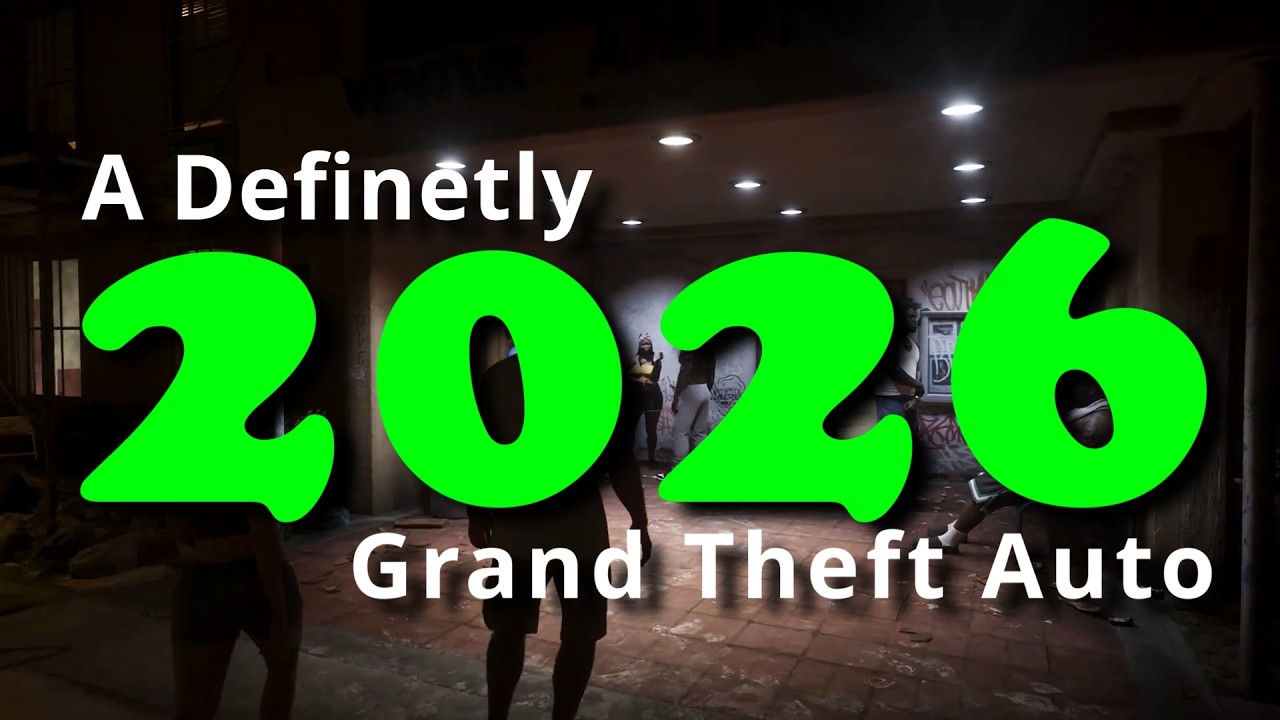
The video, presented by Daniel Raymond of Ray’s Guide, discusses the anticipation and mixed reactions surrounding the upcoming release of Grand Theft Auto 6 (GTA 6). Many content creators have expressed skepticism or outright negativity about the game, often because they feel personally invested in the franchise and believe they represent the core GTA audience. Daniel acknowledges this passion but suggests that outrage and doomsaying are common and often driven by the ease of generating clicks rather than genuine critique.
A key point Daniel makes is that GTA 6 is set in the year of its release, 2026, which adds multiple layers of realism and relevance. This setting allows the game to feature contemporary streetscapes, technologies, and social commentary that reflect the present day. For example, electric scooters, EVs, live streaming, and an omnipresent security state with automated license plate readers and electronic car immobilizers are integrated to create a believable modern world. This approach also challenges traditional GTA gameplay elements like car theft, requiring new mechanics that align with 2026 realities.
Another significant advancement in GTA 6 is the use of current-generation console capabilities to create a more persistent and detailed simulation. This technological leap allows for two main characters with concurrent storylines, enabling players to switch between them seamlessly. The game adopts the Bonnie and Clyde crime duo template, featuring two equally strong protagonists, which adds depth and complexity to the narrative. Daniel highlights that some criticism of the male lead as weak misses the point, as the character is designed to be calm, controlled, and capable of extreme actions when necessary.
Daniel also explores the evolving storytelling approach in GTA 6, which appears to lean towards a darker, more mature narrative akin to Rockstar’s Red Dead Redemption 2 rather than the unrestrained mayhem of previous GTA titles. The story may revolve around survival, betrayal, and sacrifice between the two protagonists, offering multiple possible outcomes and a more emotionally engaging experience. This shift reflects Rockstar’s growth in narrative sophistication and a desire to tell meaningful stories within the open-world crime genre.
Finally, Daniel touches on the broader societal context affecting GTA 6’s development, including increased scrutiny of video game content and changing cultural norms. The game must navigate a fine line between maintaining its trademark irreverence and addressing contemporary sensitivities regarding violence and morality. Additionally, with Take-Two Interactive’s massive market valuation hinging on GTA 6’s success, the game is unlikely to be niche or overly controversial. Overall, Daniel concludes that GTA 6 is very much happening, promising a fresh, relevant, and technologically advanced experience for players.