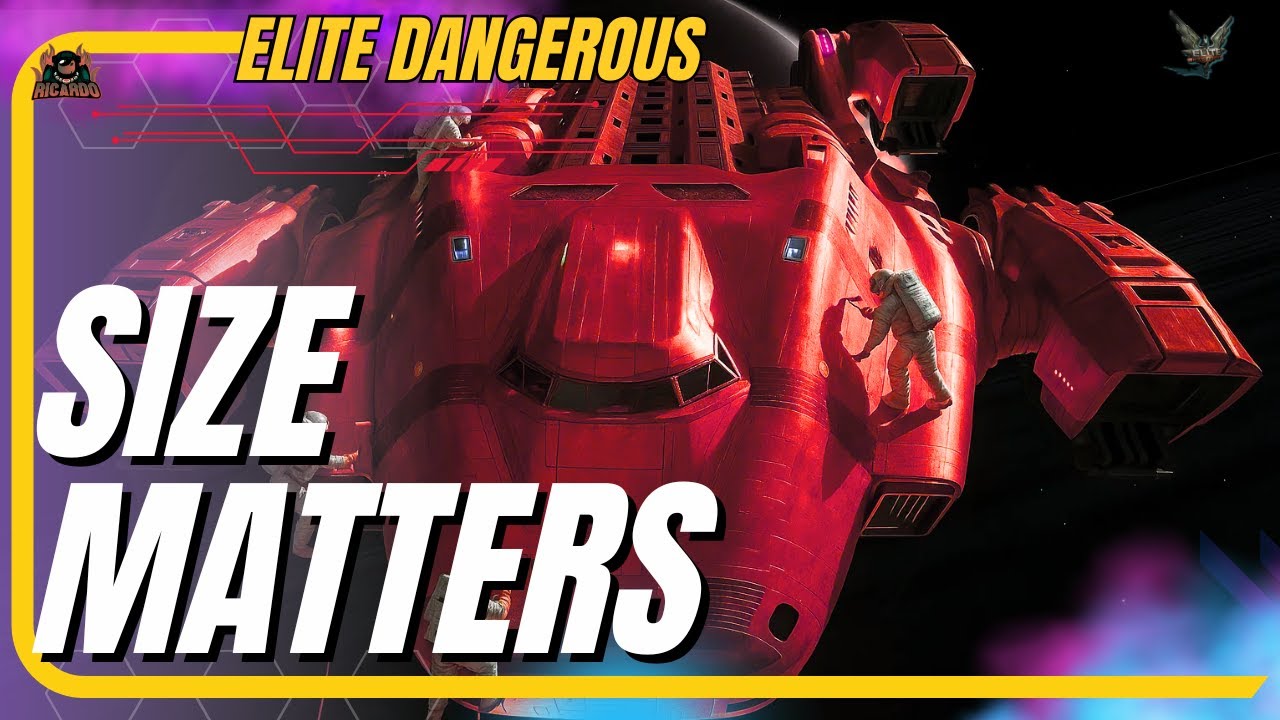
The video highlights how the Panther Clipper in Elite Dangerous redefines ship scale with its massive size, cargo capacity, and naval-inspired design, enhancing both gameplay and immersion. It also reflects on the legacy of large ships in the franchise and praises Frontier’s efforts to balance impressive aesthetics with practical functionality, signaling a promising future for ship design in the game.
In this video, the presenter discusses the significance of ship size in Elite Dangerous, particularly focusing on the newly introduced Panther Clipper. While size in Elite Dangerous has often been an illusion, the Panther Clipper marks a shift as one of the first truly large ships among the recent ranger ship releases. Its massive cargo capacity makes it the preferred choice for traders, especially during community goals, overshadowing other large ships like the Type 9 or Cutter. The Panther Clipper exemplifies how bigger ships can redefine gameplay and player aspirations in the game.
The video also touches on the legacy of large ships in the Elite franchise, referencing classic vessels like the Boa M2, Griffin Carrier, and Tiger Trader from earlier Frontier games. These iconic ships set a precedent for scale and design that fans hope to see reintroduced or echoed in Elite Dangerous. The presenter emphasizes that scale has often been misunderstood in the game, using the ASP Explorer as an example—despite its relatively modest appearance, it is actually longer than a Boeing 737, illustrating that visual perception can differ greatly from actual size.
A key point made is how the design of cockpits and windows affects the perception of ship scale. Oversized cockpits with large windows, common in ships like the Type 9, make these vessels look more like oversized starfighters rather than massive, multi-deck ships. In contrast, the Panther Clipper features a more naval-inspired, recessed bridge that enhances the sense of scale and realism. This design choice marks a deliberate move by Frontier to create ships that feel more grounded and imposing, aligning with traditional naval architecture rather than personal aviation.
The presenter also addresses concerns about the Panther Clipper’s ability to fit through the game’s mail slots and land on existing pads, noting that despite its size, the ship was designed to fit within current constraints through clever folding and transforming mechanics. This adaptability has been well received by the player community, who appreciate the balance between scale and functionality. The video praises Frontier’s art and design teams for their work in evolving ship aesthetics while maintaining practical gameplay considerations.
In conclusion, the video argues that ship scale is important not only for immersion but also for gameplay balance and storytelling within Elite Dangerous. The Panther Clipper represents a new direction in ship design that embraces grandeur and authenticity. The presenter expresses curiosity about future legacy ships and the upcoming Type 11 Prospector, inviting viewers to share their opinions on ship scale and design choices. Overall, the video highlights a promising future for Elite Dangerous with more thoughtful and impactful ship designs.